🌿 1. Everyday Stress Meets Simple Fun
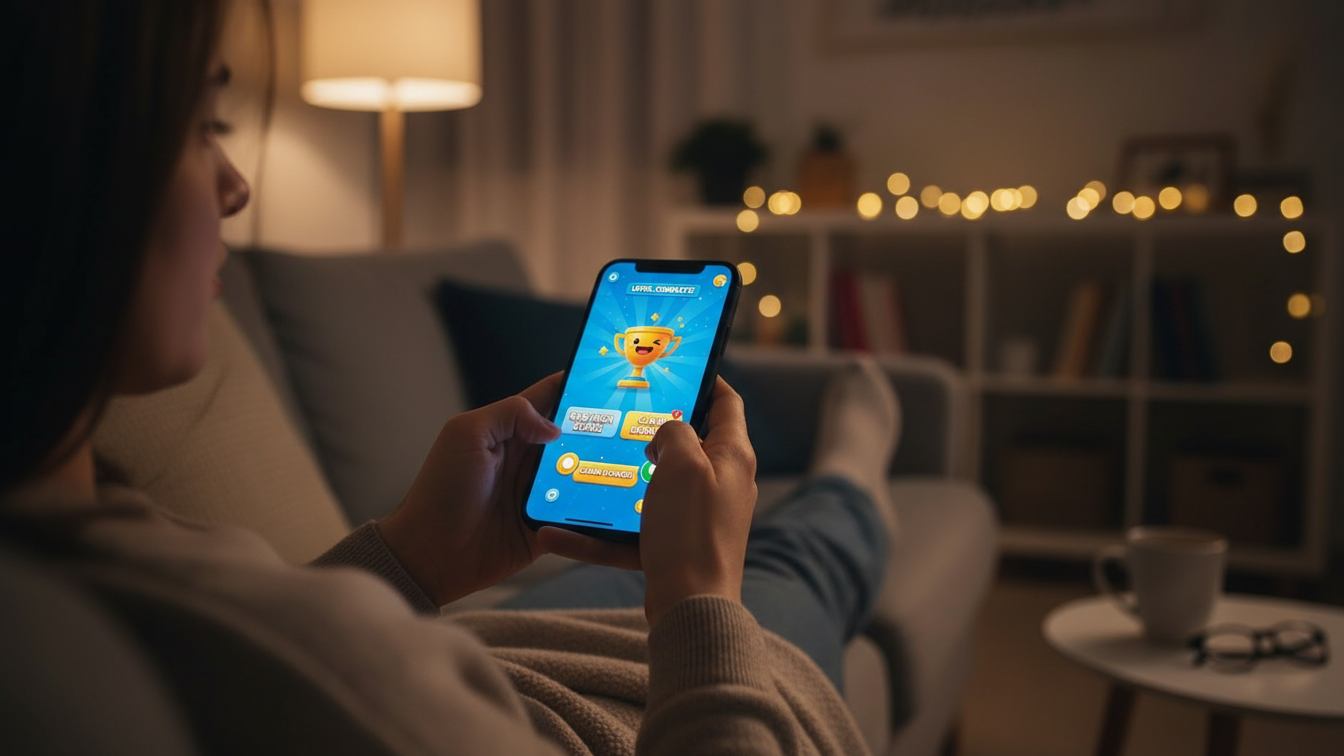
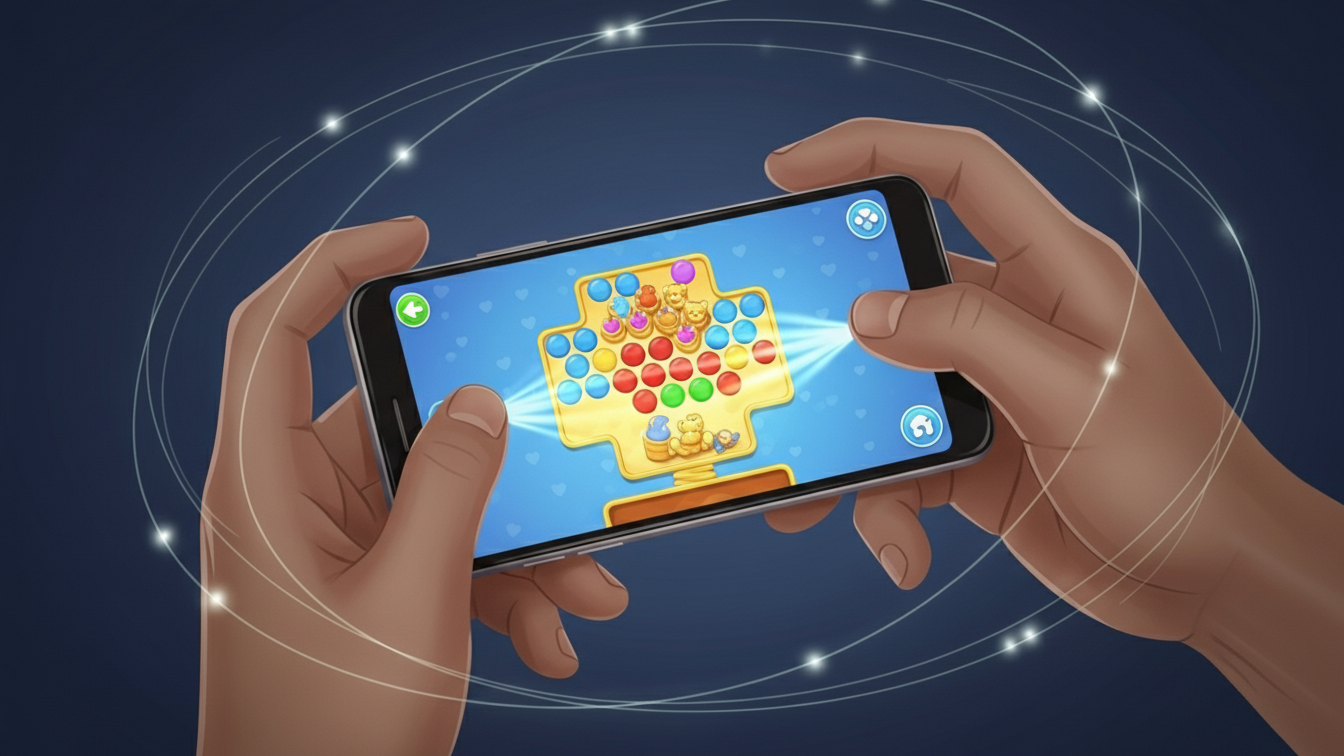
We live in a world that rarely slows down. From deadlines to daily chores, stress sneaks into every corner of life. But what if the solution was as simple as opening a game? Casual games, like Bubble Shooter, Candy Crush, or Word Connect, provide a quick mental escape. They don’t demand hours of focus or complex strategies — just a few peaceful minutes where your only goal is to enjoy. It’s the digital version of taking a deep breath.
💆♀️ 2. How Casual Games Relax the Mind
When you play a casual game, something magical happens in your brain. Your focus shifts from worries to the game’s simple mechanics — matching colors, aiming bubbles, connecting dots. This change of attention gives your mind a break from overthinking. Studies show that playing short games can reduce cortisol, the stress hormone, and trigger a sense of calm. It’s mindfulness in disguise — fun, colorful, and effortless.
🧠 3. The Psychology Behind Stress Relief Through Gaming
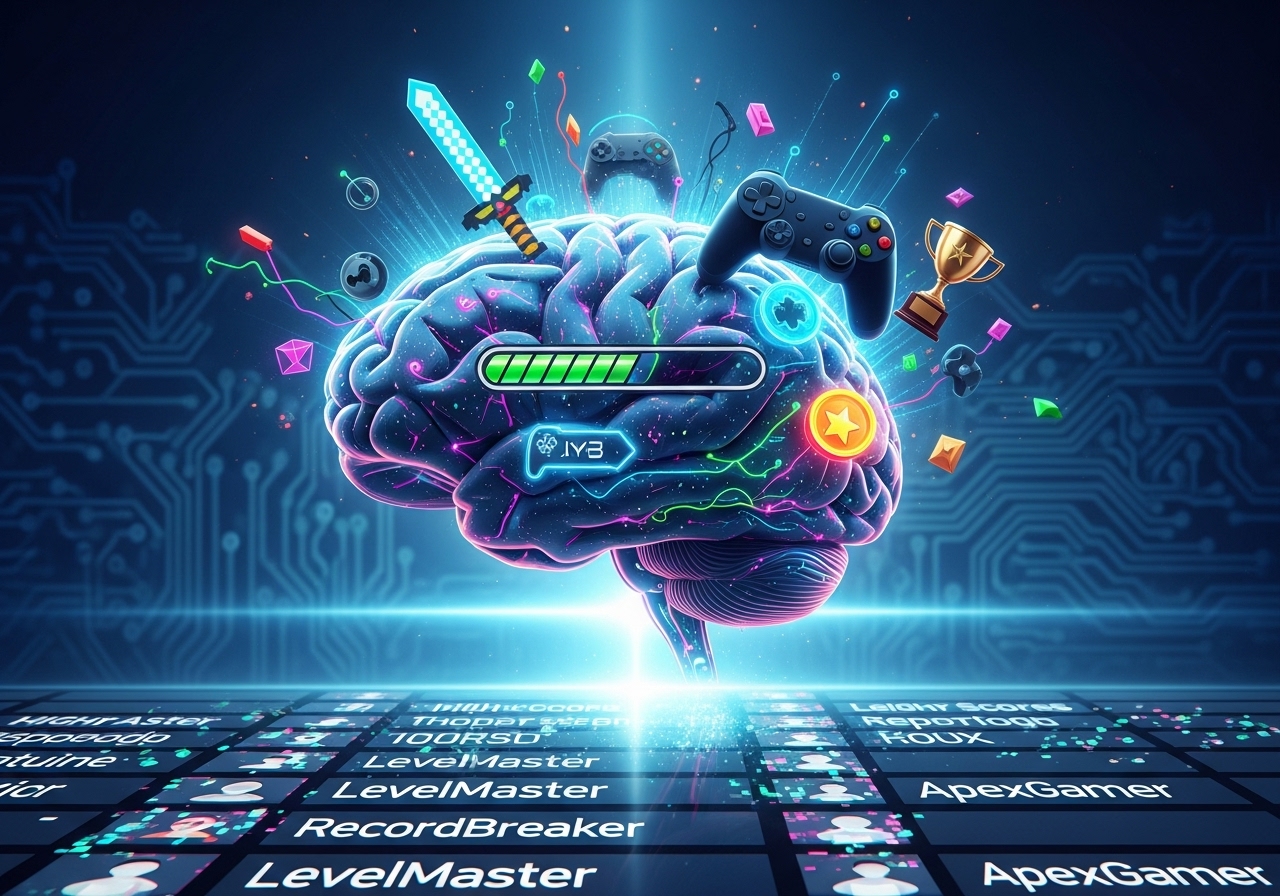
Psychologists often describe gaming as a form of “active relaxation.” Unlike watching TV or scrolling social media, casual gaming keeps your brain engaged without pressure. It activates your reward system, releasing dopamine — the same chemical that makes you feel happy after completing a task. Each win, level-up, or combo creates a small sense of achievement that lifts your mood and restores mental energy.
🎯 4. Quick Wins, Big Smiles
Casual games are designed around short, rewarding moments. You might complete a level in two minutes or score bonus points after a quick challenge — and that’s enough to feel great. These micro-rewards train your brain to celebrate small victories, which carry over into real life. When you learn to find joy in little wins, everyday stress starts feeling lighter. That’s the hidden beauty of casual gaming — it teaches you to celebrate progress, not perfection.
😌 5. Escaping Without Disconnecting
Unlike long, story-driven games, casual games don’t pull you too far from reality. They’re ideal for short breaks between meetings or while waiting for your ride. You get the satisfaction of escape without losing time or focus. In just five minutes, you can reset your mood and return to your tasks feeling recharged. It’s a healthy distraction that doesn’t consume you — it restores you.
🧩 6. Engaging the Mind, Easing the Pressure
Stress often comes from mental overload — too many thoughts and not enough clarity. Casual games help by giving your mind a single, clear goal. Whether it’s popping bubbles, finding words, or arranging tiles, these games promote flow, a state where your brain focuses deeply and time feels slower. This focus naturally reduces anxiety and tension, helping your thoughts become calmer and more organized.
🕹️ 7. The Science of “Feel-Good” Play
Research shows that moderate gaming can boost your mood, especially when it’s casual and non-competitive. Unlike hardcore games that can cause frustration or fatigue, casual titles provide low-pressure enjoyment. The brain interprets this gentle challenge as pleasure rather than stress. Plus, bright visuals, cheerful sounds, and rewarding animations activate relaxation responses — making casual gaming a mini therapy session for your mind.
💬 8. Connection and Comfort in Shared Play
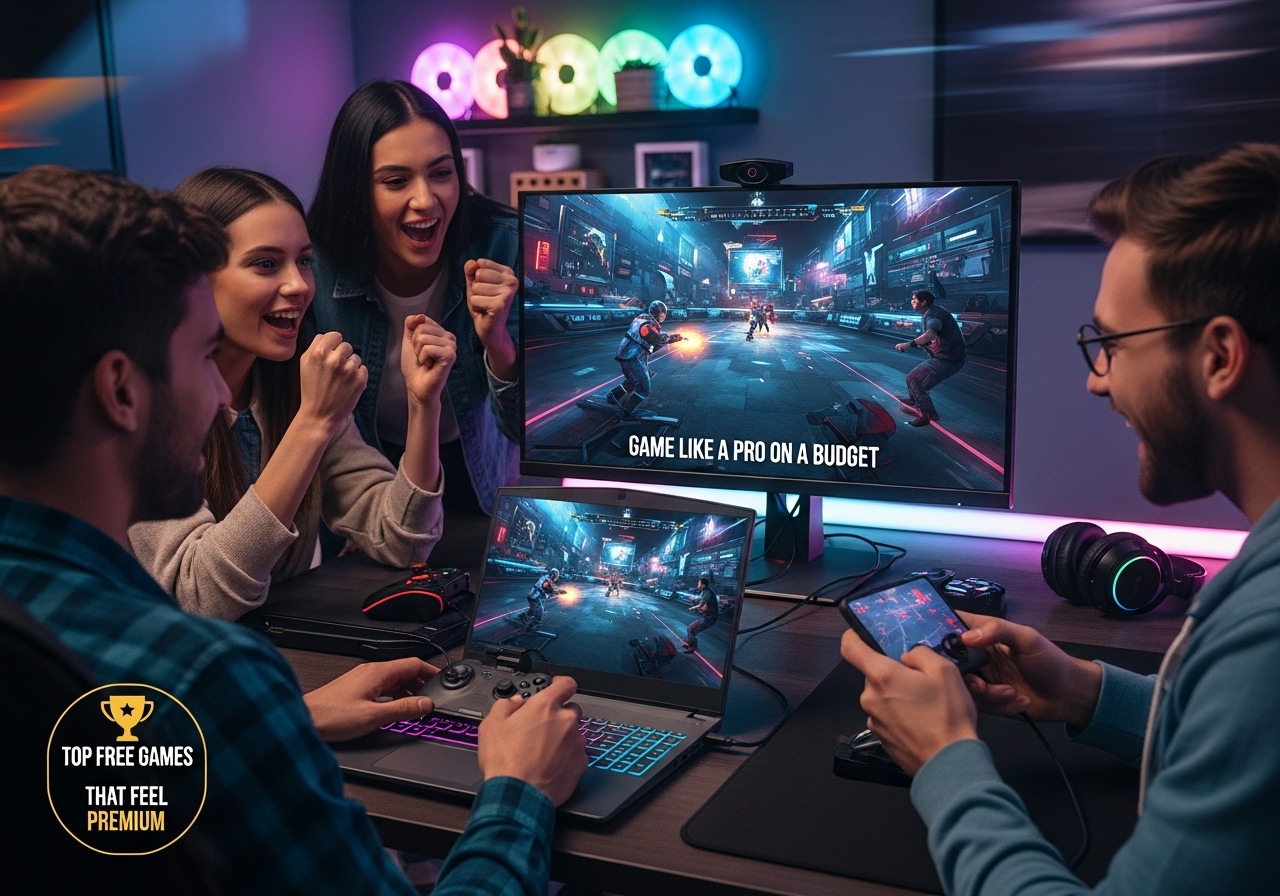
Casual games often come with leaderboards or friend challenges, letting you compete lightly or share achievements. These social elements create a sense of connection — an important factor in stress reduction. Sending a friend request in a puzzle game or comparing scores can bring laughter and bonding. When you share moments of fun, your brain releases oxytocin, the “social happiness” hormone. That’s why even small in-game interactions feel comforting.
🌈 9. Portable Happiness: Play Anytime, Anywhere
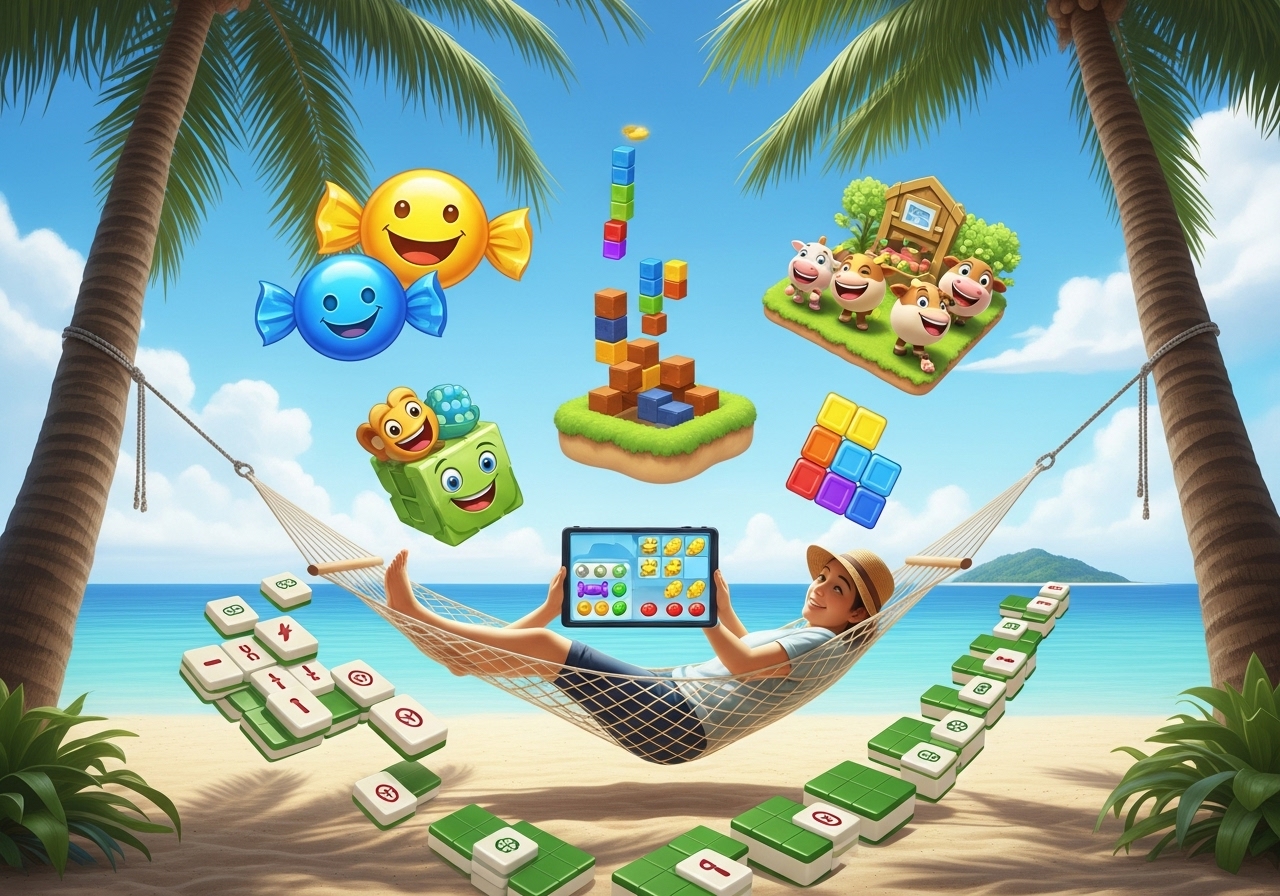
The best part about casual games is accessibility. You can play them anywhere — on your phone, tablet, or laptop. Stuck in traffic? Waiting for a meeting? No problem. Whether you’re online or offline, these games give you instant entertainment and calm. Their portability makes them perfect for managing micro-stress — those tiny bursts of tension we feel throughout the day. It’s like carrying a pocket-sized joy machine with you.
🧘♂️ 10. The Balance Between Play and Productivity
Some people worry that playing games wastes time, but when used wisely, casual gaming can actually improve productivity. A short, 10-minute gaming break refreshes your brain, increases focus, and reduces fatigue. Think of it like stretching your mind between tasks. When you return to work, you feel sharper and more creative. That’s why many professionals use small gaming breaks as a form of stress management — modern work-life balance in action.
🌟 11. Finding Calm in a Click: Final Thoughts
At the end of the day, casual games aren’t just about fun — they’re about well-being. They remind us that stress relief doesn’t always require meditation, yoga, or long vacations. Sometimes, it’s as simple as connecting three candies, guiding a ball, or solving a small puzzle. These little bursts of joy help us cope with modern life’s pressure in the easiest, most colorful way possible.
So next time you feel anxious, bored, or overwhelmed, don’t underestimate the power of a casual game. It’s not “just a game” — it’s your brain’s way of saying, “Let’s take a break.”
Tags:
Casual Games
Stress Relief
Relaxing Games
Mindful Gaming
Free Online Games
Mobile Games
Mental Health
Positive Gaming
Simple Games
Calm Games
Brain Breaks