The Science of Replay Why We Keep Returning to the Same Online Games
By admin •
Nov 18, 2025 • 59 views
The Science of Replay: Why We Keep Returning to the Same Online Games
Online games have an uncanny way of drawing players back again and again. On our free online games website, you might notice certain games that feel almost magnetic—you play once, then suddenly find yourself returning hours later. But why do some games have such a compelling pull, while others are forgotten after a single session? The science behind replaying games combines psychology, design, and habit-forming mechanisms, creating experiences that keep players engaged for the long haul. Let’s dive into why we can’t seem to stop ourselves from hitting “play” again.
The Power of Positive Feedback Loops
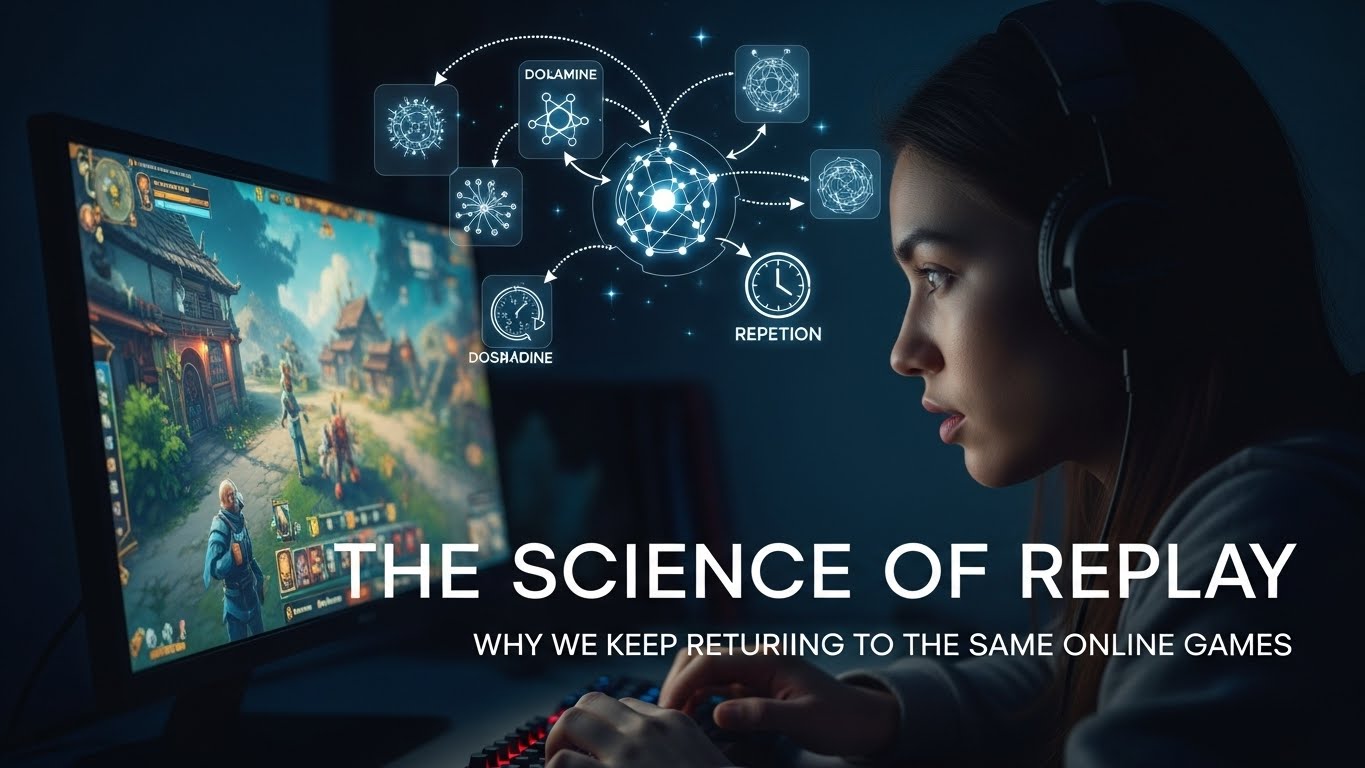
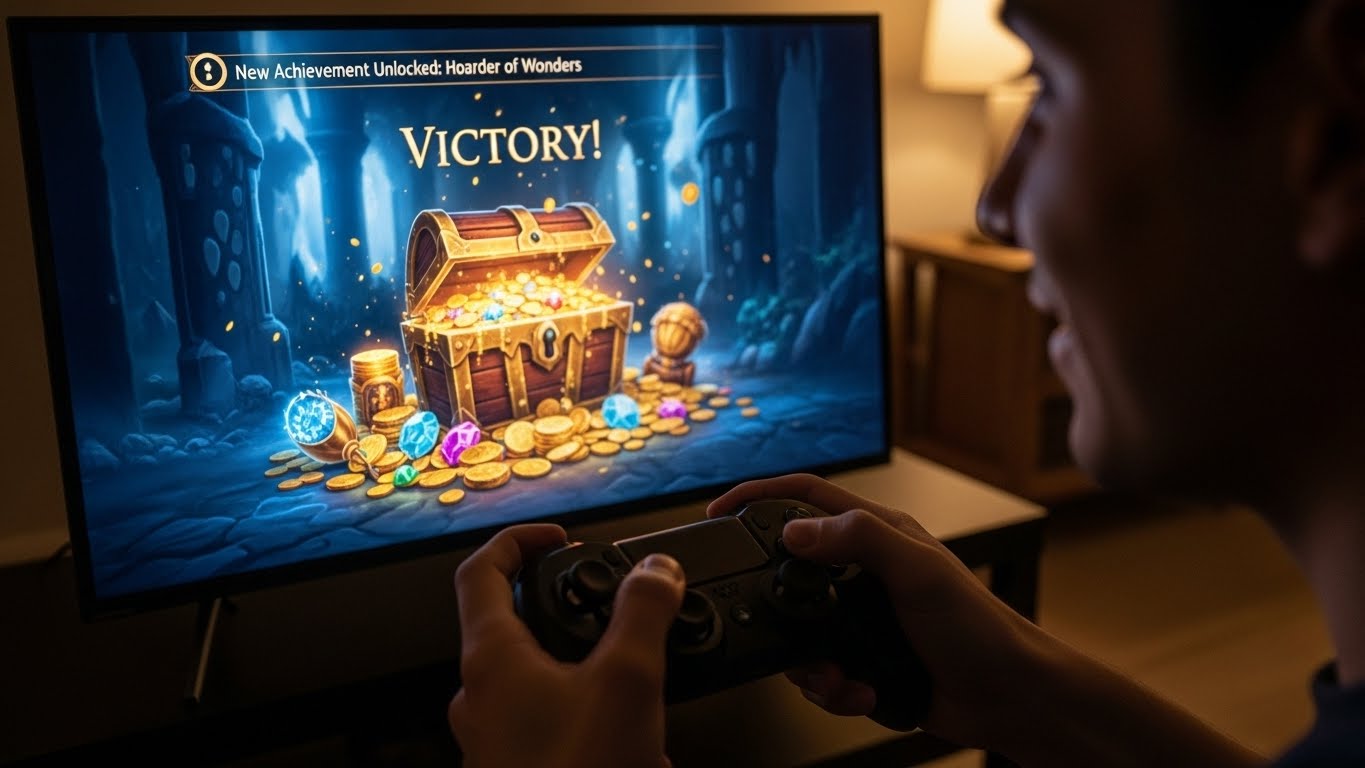
One of the key reasons players return to games is the rewarding feedback system. When you complete a level, earn points, or unlock a new character, your brain releases dopamine, the neurotransmitter associated with pleasure and motivation. Free online games are often designed with rapid feedback loops—quick wins, frequent achievements, and incremental rewards. This creates a feeling of constant accomplishment, making it psychologically satisfying to return. Even the smallest progress can feel significant, reinforcing the desire to play again and again.
The Appeal of Short, Satisfying Sessions
Another reason we replay online games is their accessible session lengths. Many free browser games are designed to be completed in 5–15 minutes, making them ideal for quick breaks or stress relief. Short sessions reduce mental barriers to play, and the low commitment encourages multiple rounds. The pleasure of completing a quick challenge and the anticipation of doing better next time keeps players coming back. It’s a clever combination of accessibility and achievement that encourages consistent engagement.
Mastery and Skill Development
Humans are naturally drawn to mastering challenges. Free online games provide opportunities to develop skills over time, whether it’s improving reaction speed, strategic thinking, or pattern recognition. Every failed attempt teaches players something new, creating a sense of growth. Returning to the game becomes a way to measure progress and test skills. The thrill of slowly improving, beating previous high scores, or mastering a tricky level keeps the brain engaged, making repetition both enjoyable and meaningful.
The Role of Curiosity and Discovery
Curiosity is another powerful driver of replay. Online games often contain hidden secrets, unlockable items, or unexpected twists. Players keep returning because there’s always something new to discover. Our website’s games frequently include varying levels, challenges, or alternative paths, stimulating curiosity and exploration. This sense of novelty combined with familiarity fuels repeat engagement. Even if a game feels familiar, the potential for discovering something unseen keeps players coming back with excitement.
Social Connections and Competition
Social dynamics significantly contribute to replay value. Games with leaderboards, friend challenges, or multiplayer modes create opportunities for friendly competition. Players naturally want to improve their ranking, outperform friends, or showcase achievements. Social comparison and collaboration turn replay into a social experience, not just a solo activity. Sharing victories or trying to beat a friend’s score adds a layer of meaning and urgency that keeps players revisiting the same games repeatedly.
The Comfort of Familiarity
Returning to the same games can also provide emotional comfort. Familiar mechanics, characters, and visuals create a sense of stability in a digital world full of new distractions. Players often replay games because they know what to expect and can relax while playing. This combination of predictability and low-risk enjoyment makes revisiting favorite games feel like a safe, rewarding habit. Familiarity builds a connection that goes beyond mere entertainment—it becomes part of a daily or weekly routine.
Gamification and Habit Formation
Free online games frequently leverage gamification strategies to form habits. Daily rewards, level resets, and ongoing challenges are designed to keep players returning. These small nudges encourage consistency, creating behavioral loops that turn casual play into a habit. By combining reward schedules, incremental difficulty, and recognition of effort, games can train players to develop a routine around replaying. This habit-building mechanism is subtle but highly effective, explaining why some games remain engaging over weeks or months.
The Emotional Highs and Lows
The emotional rollercoaster of gaming is another compelling reason for replay. Games are designed to create tension, surprise, and satisfaction. Overcoming obstacles, narrowly escaping failure, or achieving a high score produces a surge of positive emotion. Conversely, near misses or challenges left unfinished leave players with a sense of unfinished business. This mix of highs and lows drives emotional engagement, encouraging players to return to experience the thrill once again or rectify a previous setback.
Cognitive Stimulation and Flow
Many online games induce a psychological state known as “flow,” where players are fully immersed and lose track of time. This state occurs when challenges match skill level, providing mental stimulation without overwhelming stress. Experiencing flow is intrinsically rewarding, and players naturally seek it again. On our free online games website, the variety of game types ensures that players can find the perfect challenge for their skill level. This cognitive engagement encourages repeated play as players chase that satisfying sense of total immersion.
Nostalgia and Emotional Attachment
For many players, returning to the same game triggers feelings of nostalgia and emotional attachment. Childhood favorites or familiar gameplay styles evoke warm memories and personal connections. This emotional link strengthens the desire to replay, even if the game itself is simple. Our website’s library of classic-style games allows users to reconnect with those nostalgic experiences while discovering new elements, combining the comfort of the past with the excitement of exploration.
Customization and Personal Investment
Games that allow customization also increase replayability. When players invest time in creating characters, decorating spaces, or strategizing upgrades, they develop a personal connection to the game. Returning becomes a way to protect and enhance that investment, whether it’s leveling up a character, unlocking new skins, or completing a personalized objective. This sense of ownership makes repeated play more meaningful and engaging, as the game evolves along with the player’s choices.
The Joy of Mastering Challenges
Ultimately, the core reason players return to games is the joy of mastery. Conquering difficult levels, optimizing strategies, or outperforming previous achievements provides deep satisfaction. Free online games are designed to balance challenge and reward, creating an environment where players feel capable yet challenged. This sense of mastery builds confidence and enjoyment, motivating repeated engagement. Every session offers a chance to refine skills, achieve new goals, and experience that fulfilling sense of accomplishment all over again.
Conclusion: Why We Keep Coming Back
In summary, the science of replay combines psychological rewards, skill development, curiosity, social interaction, emotional attachment, and habit formation. Free online games on our website are carefully designed to leverage these elements, creating experiences that are enjoyable, rewarding, and repeatable. From short sessions that provide quick satisfaction to complex challenges that stimulate the mind, the combination of design and psychology explains why players can’t resist returning. Replay is not just a habit—it’s an enjoyable cycle of growth, excitement, and emotional connection that keeps the magic of online gaming alive. Whether you’re chasing mastery, competing with friends, or simply seeking a moment of joy, our free games offer the perfect playground for repeated enjoyment.