The Psychology of Gaming: Why We Love Beating Levels and Breaking Records
By admin •
Nov 07, 2025 • 8900 views
🧠 1. The Brain’s Reward System and the Joy of Winning
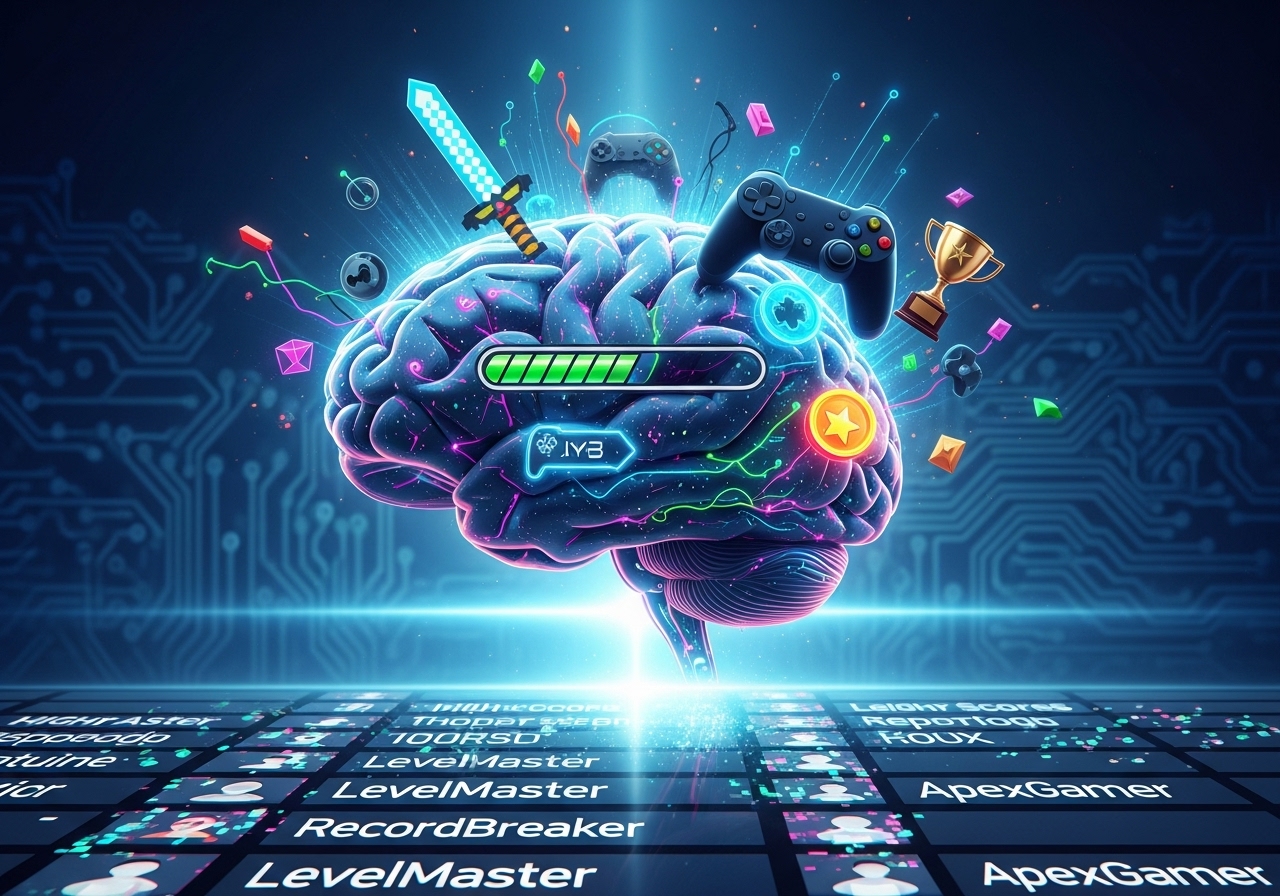
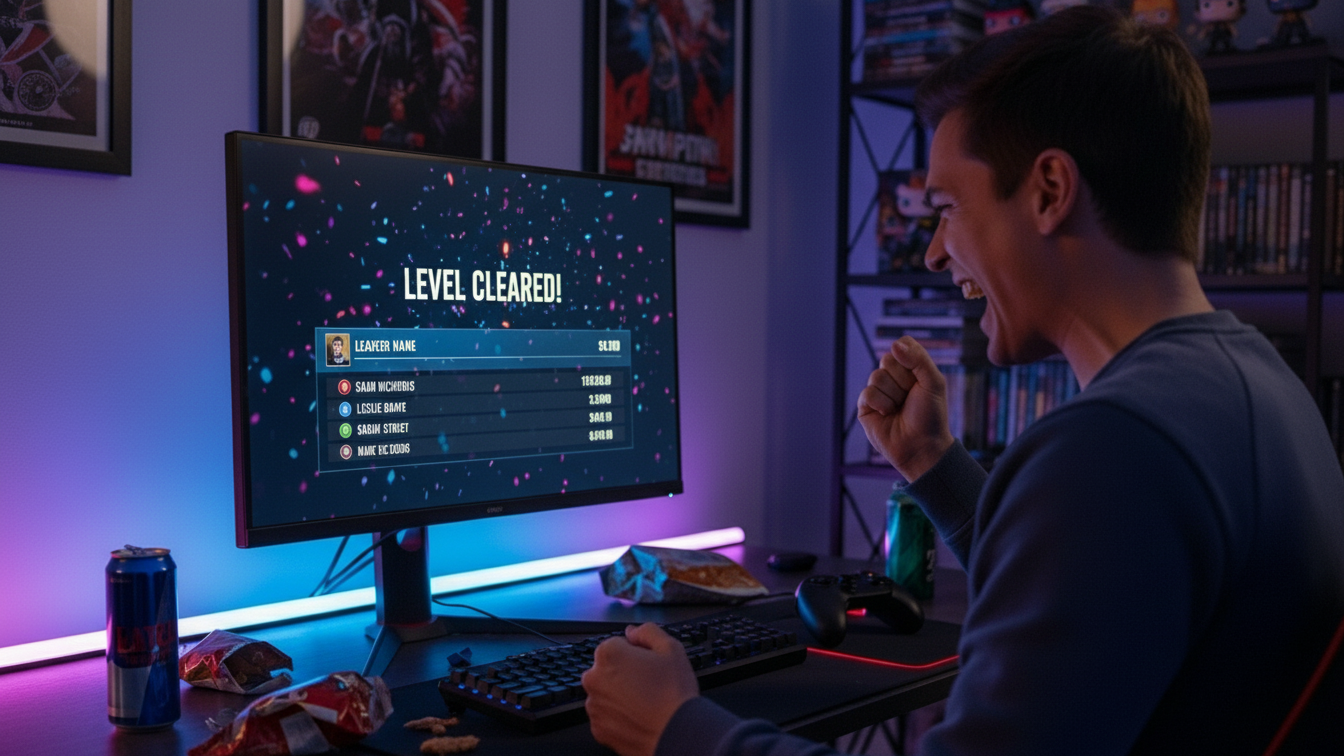
Every time you clear a level, your brain celebrates by releasing dopamine, the chemical linked to happiness and motivation. This “feel-good” signal tells your brain, “You did something right — do it again!” That’s why gaming can feel addictive in a positive way. The brain starts associating progress and success with pleasure. When you finally beat that boss after dozens of tries, it’s not just a virtual win — it’s a biological celebration happening inside your head.
🕹️ 2. The Challenge-Reward Loop That Keeps Us Hooked
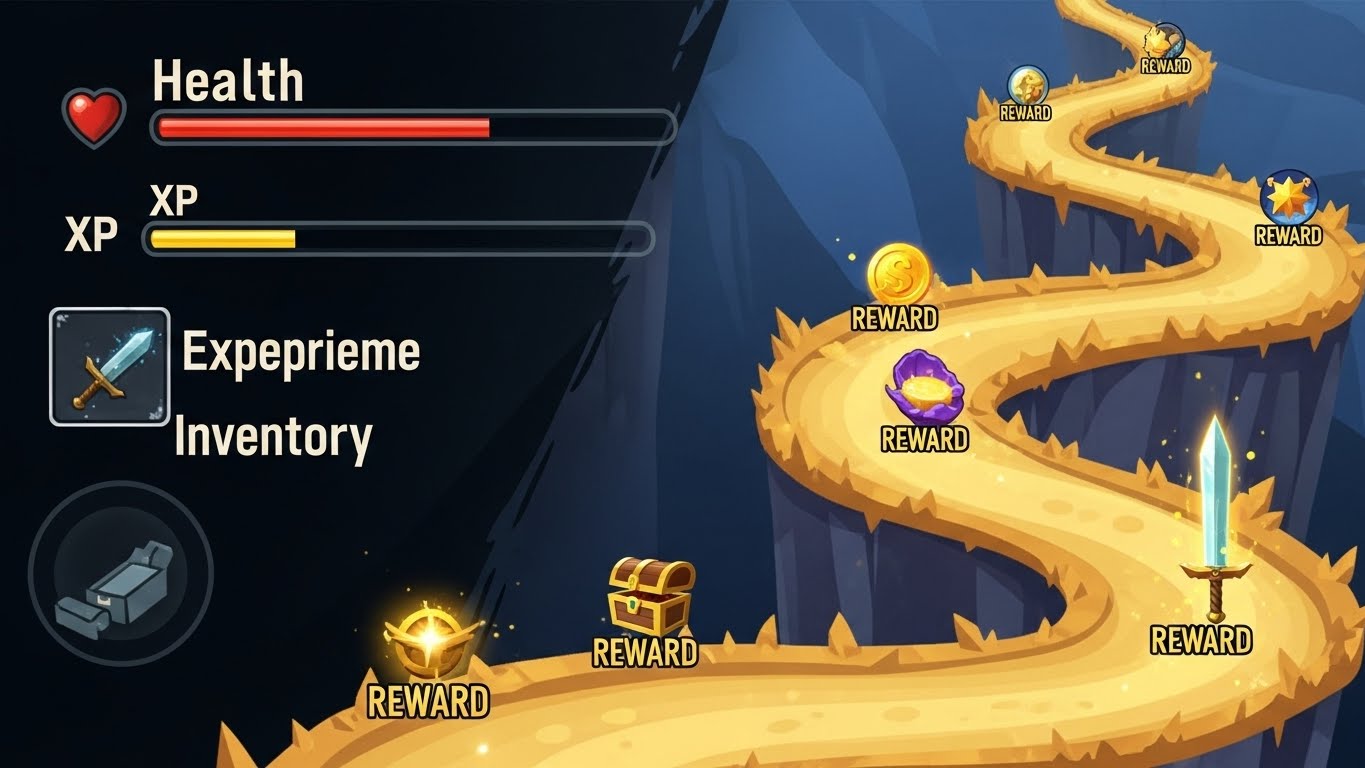
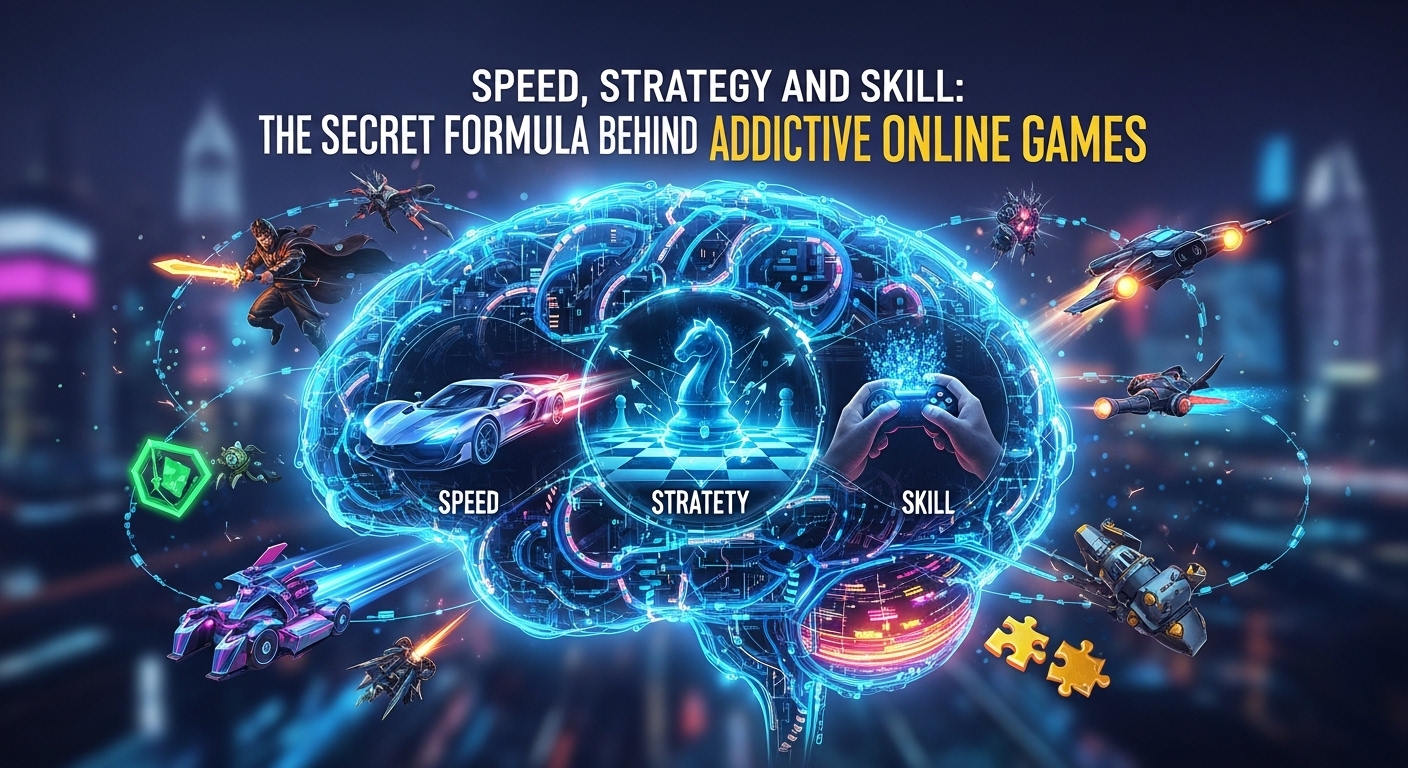
Games are masters of psychology because they create a perfect balance between challenge and reward. Too easy, and we get bored. Too hard, and we get frustrated. But when difficulty matches our skill level, it creates the “sweet spot” of engagement known as flow. This is when time seems to fly by, and you’re fully immersed in the game. Developers carefully design this loop so that every small victory pushes you to tackle the next challenge — and that’s why we keep coming back for more.
🧩 3. Mastery and the Desire to Improve
Humans love to feel competent. We’re wired to learn, grow, and master new skills — and gaming offers a safe, instant way to experience progress. Unlike real life, where results can take time, games reward improvement quickly. Whether it’s improving aim, solving puzzles faster, or perfecting timing, every little upgrade gives a sense of mastery. It’s the reason why people spend hours replaying levels — not for rewards alone, but for the satisfaction of getting better.
🏆 4. Beating Records and the Power of Competition
Competition is deeply human. From sports to academics, we’ve always loved comparing results. Games amplify this through leaderboards, scores, and rankings. Beating your personal best or outscoring a friend triggers pride and motivation. Even solo games build internal competition — you versus your past performance. That’s why “breaking your own record” feels as rewarding as defeating another player. Every new high score reinforces the idea that you’re progressing — and progress is pure fuel for the human spirit.
🔥 5. The Thrill of Overcoming Failure
Let’s be honest — losing stings. But strangely, it’s also what makes gaming so satisfying. Each failure pushes you to try again, rethink strategies, and adapt. Psychologically, this taps into what scientists call a “growth mindset.” You start seeing failure not as defeat, but as a step toward victory. When you finally succeed, the joy is amplified because it’s been earned through effort. That journey from frustration to triumph is one of the most powerful emotional payoffs gaming offers.
💭 6. Escapism and Emotional Release
Sometimes, gaming isn’t just about winning — it’s about escaping reality. When life feels stressful or repetitive, games offer a world where you’re in control, where your choices lead to instant results. Beating levels or breaking records in such worlds provides emotional release and mental clarity. It’s not about running away from problems; it’s about recharging your brain in a space where success feels achievable and rewarding. That’s one reason games can actually reduce anxiety and improve mood when played mindfully.
🌍 7. Social Connection and Shared Victories
In multiplayer games, success feels even sweeter because it’s shared. Whether it’s teaming up with friends or competing online, social gaming taps into our need for belonging and recognition. Humans naturally crave connection — and gaming builds virtual communities where teamwork, laughter, and friendly rivalry thrive. Beating a tough raid with your squad or setting a new team record strengthens bonds and makes victories more meaningful. In short, gaming is as much about people as it is about play.
🎯 8. Goal Setting and Motivation Psychology
Games are built around clear goals — defeat the boss, reach level 50, collect 100 coins. These small, specific targets mirror real-world motivation systems. Psychologists say that achieving “micro-goals” keeps our brains motivated and engaged. Each success releases dopamine and renews focus for the next challenge. It’s a self-sustaining cycle that keeps us chasing objectives — and that’s why even repetitive games rarely feel dull. The brain loves progress, even when it’s virtual.
⚙️ 9. The Role of Instant Feedback
Another reason games feel satisfying is because they provide immediate feedback. When you make a move, you instantly see the result — success, failure, or a hint for improvement. In life, feedback can take days, weeks, or months, but in games, it’s instant. That quick response keeps you learning, adjusting, and growing in real time. Psychologically, this constant feedback loop keeps players engaged longer and makes every victory feel earned and deserved.
🧬 10. The Science of Flow: Losing Yourself in the Game
When you’re completely focused, unaware of time, and performing at your best — that’s the flow state. It’s one of the most enjoyable mental states humans can experience, and gaming naturally creates it. Flow happens when challenges perfectly match your skill level, and your brain becomes fully immersed in solving problems or reacting to situations. It’s the reason gamers say, “I didn’t even realize hours had passed.” Flow is pure psychological satisfaction, and games are designed to trigger it again and again.
🌟 11. Why Gaming Feels Like Personal Growth
At its core, gaming mirrors life’s biggest drives — learning, adapting, achieving, and connecting. Every level beaten and every record broken represents a small version of personal growth. That’s why victories in games feel emotionally powerful — they symbolize effort, strategy, and success. Beyond entertainment, gaming teaches persistence, focus, and creative problem-solving. When players chase records, they’re not just playing — they’re training their brains to overcome challenges, both digital and real.
💬 Final Thoughts: It’s More Than Just a Game
The psychology of gaming goes far beyond screens and scores. It’s a fascinating mix of brain chemistry, motivation, and human emotion. Beating levels and breaking records give us joy because they speak directly to who we are — goal-driven, curious, and resilient beings. Gaming reminds us that effort pays off, that learning can be fun, and that progress feels amazing. So, the next time you hit a new high score or conquer a tough level, remember — your brain just had a workout, and it loved every second of it.
Tags:Gaming PsychologyFree Online GamesMotivationGame DesignWhy We PlayFlow StateGame AddictionCompetitive GamingLevel UpEmotional Benefits of GamingPlayer Motivation