The New Social Spaces: How Online Games Build Real Friendships in Virtual Worlds
By admin •
Nov 07, 2025 • 2429 views
1. A New Kind of Connection
Online gaming has evolved far beyond its pixelated beginnings. What was once a solitary hobby has transformed into a global social network, linking millions of players across borders. Whether it’s teaming up in Fortnite, exploring dungeons in World of Warcraft, or building worlds in Minecraft, gamers today don’t just play—they connect. These virtual interactions often grow into meaningful relationships rooted in collaboration, shared experiences, and mutual respect. In an age where physical distance often separates us, online games have become modern meeting grounds.
2. The Birth of Digital Communities
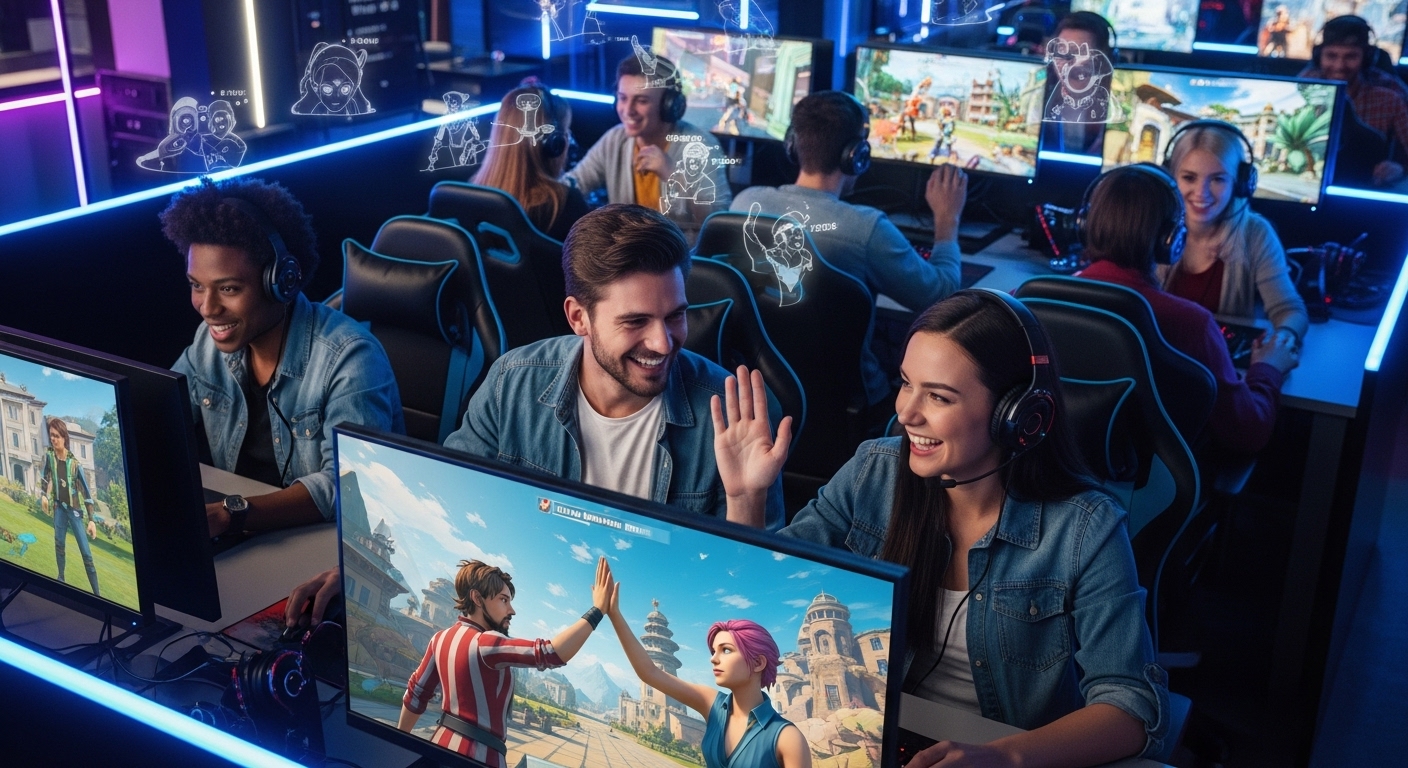
Every multiplayer game is more than just a competition—it’s a community. Players gather in guilds, clans, or teams, forming networks that mirror real-life social groups. These communities often include players who may never meet in person but still share deep emotional bonds. Online gaming platforms provide spaces for conversation, celebration, and support, fostering friendships that feel genuine and lasting. Just like any social group, gaming communities develop their own traditions, humor, and shared memories, strengthening the sense of belonging among players.
3. Shared Goals and Teamwork Build Trust
One of the most powerful ways games create friendships is through teamwork. When players collaborate to win a match, complete a quest, or solve a puzzle, they build trust and understanding. Each victory becomes a shared achievement, and each defeat a collective lesson. In cooperative games like Valorant, Apex Legends, or Overwatch, players depend on one another’s skills and communication. This reliance fosters a sense of unity that goes beyond the screen. Over time, teammates turn into friends—sometimes even family.
4. The Psychology of Online Bonds
Psychologically, friendships formed in gaming are not that different from those made face-to-face. Studies show that shared experiences, emotional exchanges, and consistent interaction are what make relationships meaningful—regardless of physical proximity. When gamers communicate daily, strategize together, and celebrate victories, they trigger the same emotional responses that form real-world friendships. In fact, for many people, virtual bonds can feel even stronger, as online environments often allow for more open communication and self-expression without fear of judgment.
5. Breaking Barriers: Diversity in Virtual Worlds
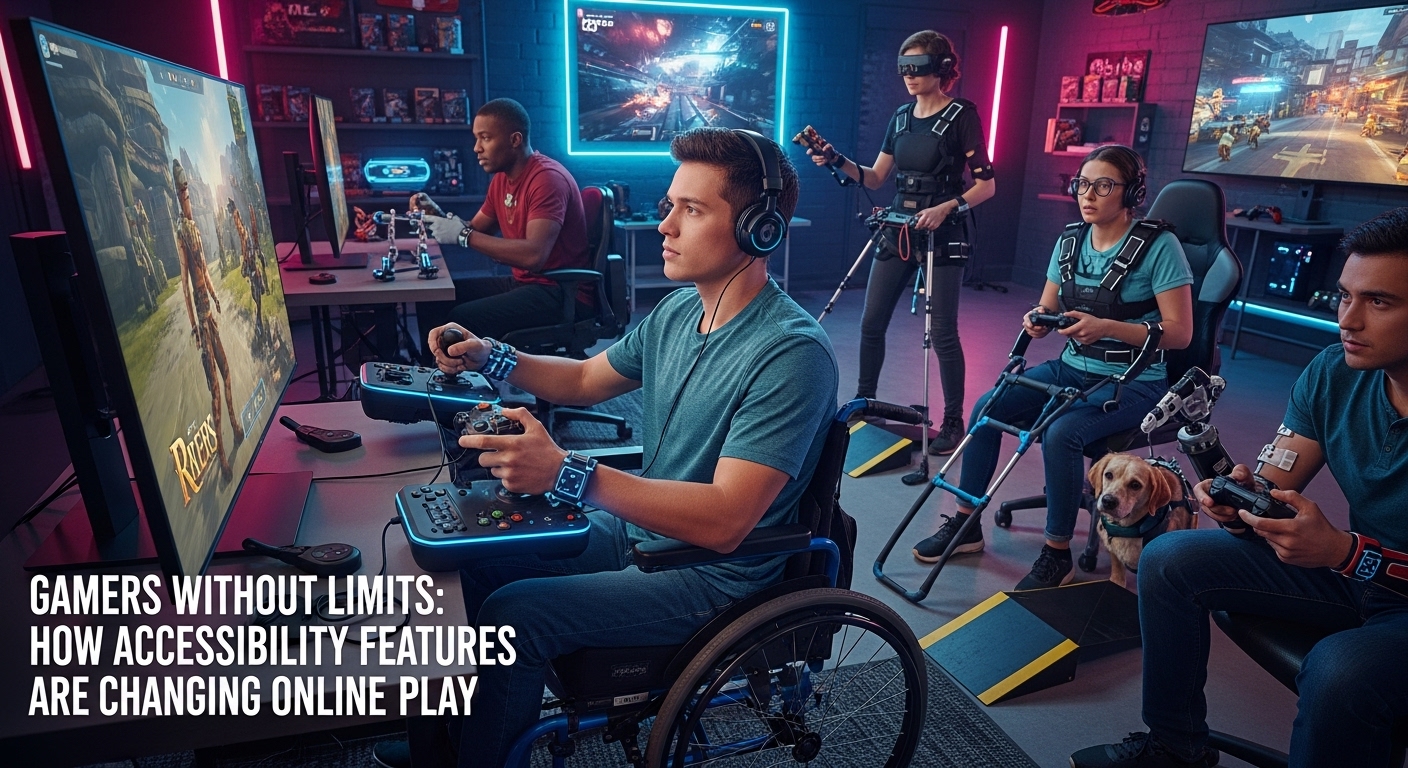
One of the most beautiful aspects of online gaming is its inclusivity. Players from different countries, cultures, and backgrounds come together under a common goal—to play and have fun. Language barriers, cultural differences, and even disabilities are often forgotten within the context of shared gaming experiences. In these virtual spaces, people are judged not by their appearance or background but by their teamwork, kindness, and skill. This digital equality makes gaming one of the most diverse social platforms in the world, where everyone truly has a seat at the table.
6. Communication Beyond Words
Online games have developed unique ways for players to communicate—sometimes without saying a single word. From emojis and pings to gestures and actions, players learn to read each other’s moves and intentions instinctively. This nonverbal communication creates deep emotional connections, especially in games where timing and teamwork are critical. For players who may struggle with traditional social interactions or social anxiety, gaming offers a safe environment to connect meaningfully without the pressure of face-to-face communication.
7. The Role of Voice Chat and Social Platforms
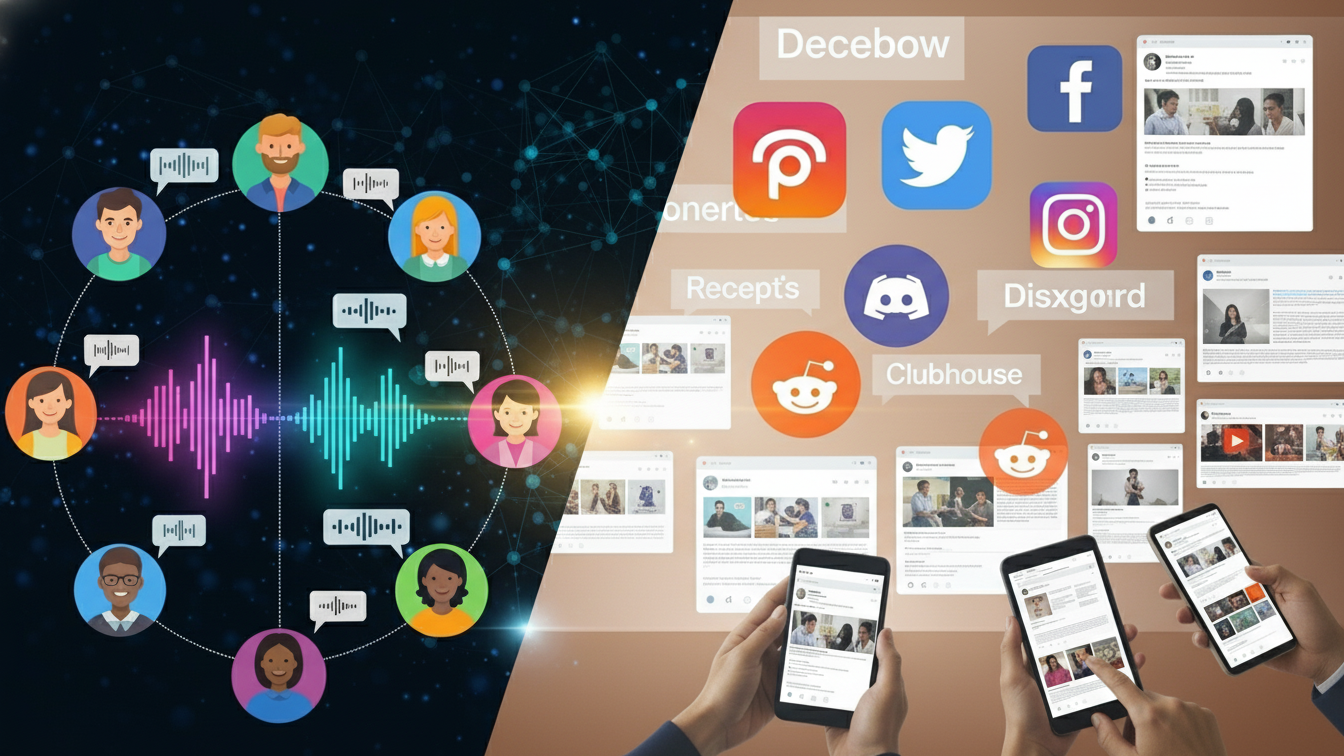
Voice chat has revolutionized how gamers interact. Platforms like Discord, TeamSpeak, and in-game voice channels have transformed gaming into a full-fledged social experience. Late-night conversations, shared laughter, and casual discussions often extend beyond the game itself, creating bonds that mirror friendships in the real world. These chats allow players to get to know each other on a personal level—talking about life, work, and dreams. What begins as teamwork often grows into genuine companionship that lasts for years.
8. Online Games as Emotional Support Networks
For many people, online gaming communities provide more than fun—they offer emotional support. In virtual spaces, players often feel free to share their struggles, vent frustrations, and seek advice from friends who understand them. The anonymity of online interactions can encourage honesty and vulnerability. Many gamers have found comfort and friendship during difficult times through their online circles. These communities often become safe havens—digital sanctuaries where empathy, understanding, and kindness thrive.
9. When Virtual Becomes Real
What starts online doesn’t always stay online. Many gamers take their virtual friendships into the real world, meeting at conventions, tournaments, or even forming lifelong relationships. Stories abound of gamers who met their best friends—or even life partners—through online play. These real-world connections prove that the emotions and trust built in virtual environments are authentic. The line between digital and physical friendships continues to blur, showing that genuine connection doesn’t require physical presence—it only requires shared understanding.
10. Esports and the Evolution of Social Play
Esports has turned gaming from a pastime into a global phenomenon. Beyond competition, esports teams and fanbases have become massive social ecosystems. Fans cheer, connect, and celebrate together, forming bonds over shared loyalty and excitement. Players themselves often describe their teammates as family, bound together by discipline, passion, and endless hours of practice. Whether you’re a casual gamer or an esports enthusiast, the sense of community that surrounds online play is undeniable—it’s what keeps people coming back, day after day.
11. The Future of Friendship in the Metaverse
As technology evolves, the way we build friendships will continue to transform. The rise of virtual reality (VR) and the metaverse is expanding the idea of social gaming. In these immersive worlds, players can meet, talk, and interact as if they were in the same room—sharing experiences that feel more tangible than ever. The future of friendship lies in these digital landscapes, where connection is no longer bound by geography. The friendships of tomorrow will be forged in worlds built not of bricks and mortar, but of pixels, creativity, and shared imagination.
Conclusion
Online games have redefined what friendship means in the 21st century. They’ve proven that genuine human connection can thrive in virtual spaces, where empathy, teamwork, and laughter bring people together across continents. These new digital friendships are just as real as any formed in person—sometimes even stronger. In a time when technology is often blamed for isolating people, gaming stands as proof that it can also unite us. The virtual worlds we build aren’t just for play—they’re places where real hearts meet, where true friendships begin, and where humanity connects without limits.