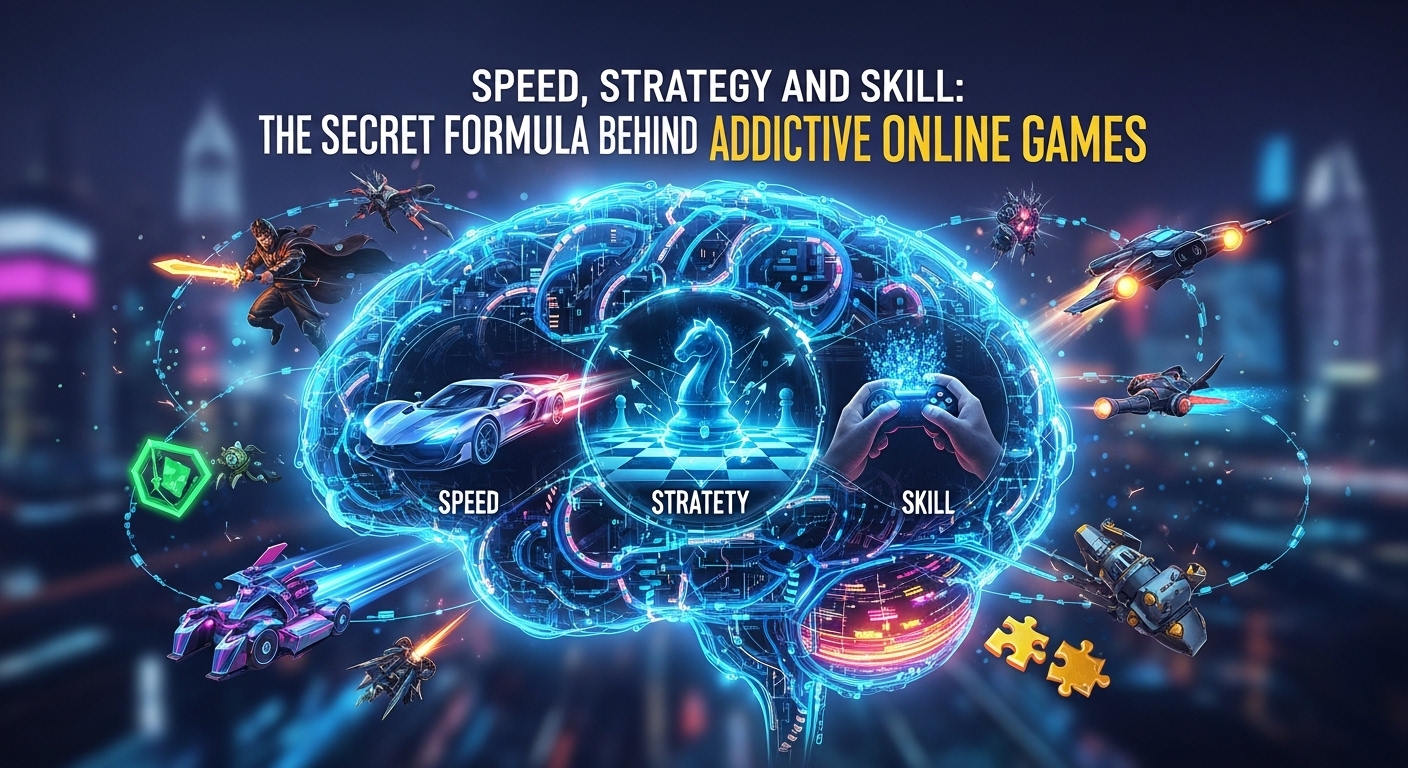
The Hidden Benefits of Gaming: How Play Improves Focus, Memory and Creativity
By admin •
Nov 07, 2025 • 4421 views
1. The Mind Behind the Controller
Gaming has evolved far beyond mere entertainment; it has become a mental workout for millions. When players engage in immersive worlds, their brains process information at lightning speed—tracking movement, strategizing, and reacting in real time. This level of engagement pushes the mind to develop stronger coordination and attention skills. It’s not just fun; it’s a high-performance exercise for the brain. Studies now show that gamers often develop better multitasking abilities and sharper reflexes compared to non-gamers.
2. Sharpening Focus Through Interactive Challenges
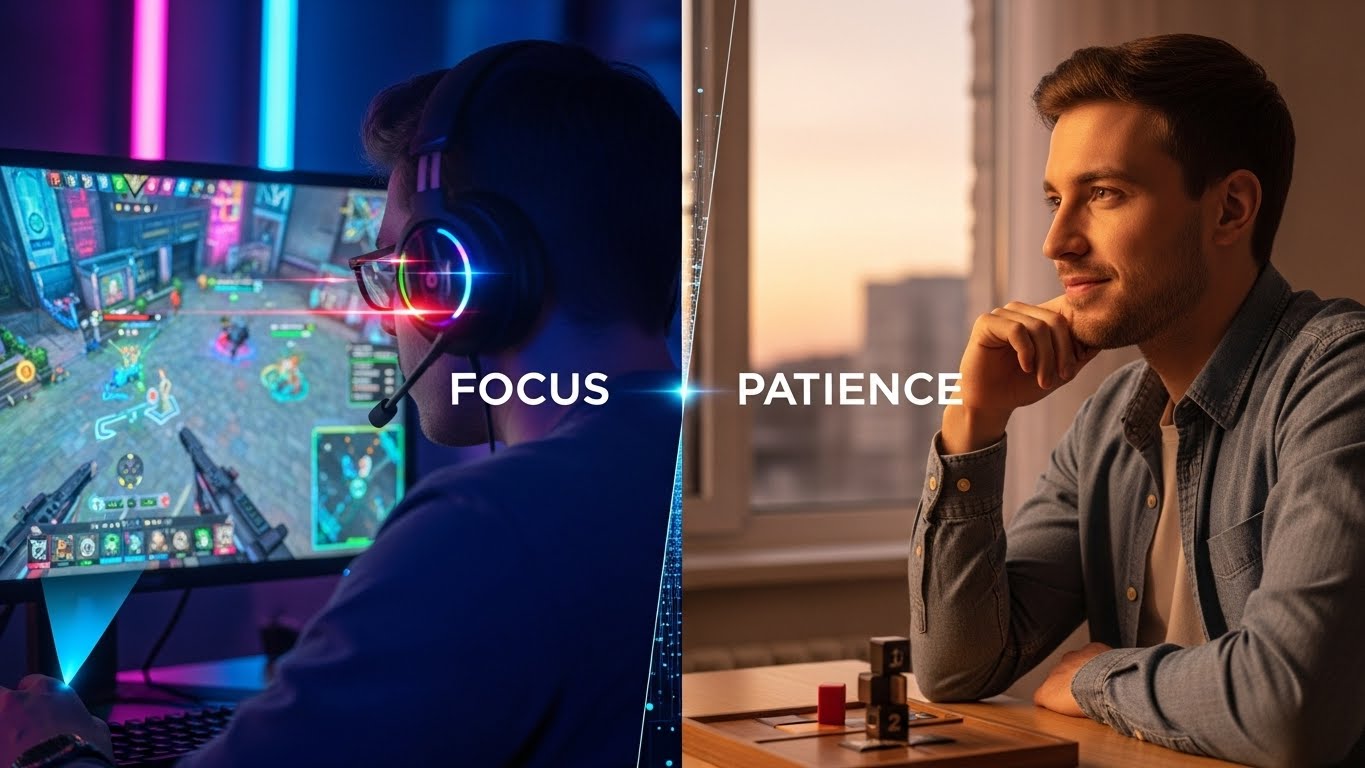
One of the biggest hidden benefits of gaming lies in how it boosts focus and concentration. Fast-paced games demand sustained attention for extended periods. Players must anticipate enemy moves, manage resources, and make split-second decisions without losing track of their goals. This intense mental engagement conditions the brain to block distractions and stay locked in—skills that translate directly into real-world focus, whether in studying, working, or problem-solving.
3. Gaming and Memory Retention: A Surprising Connection
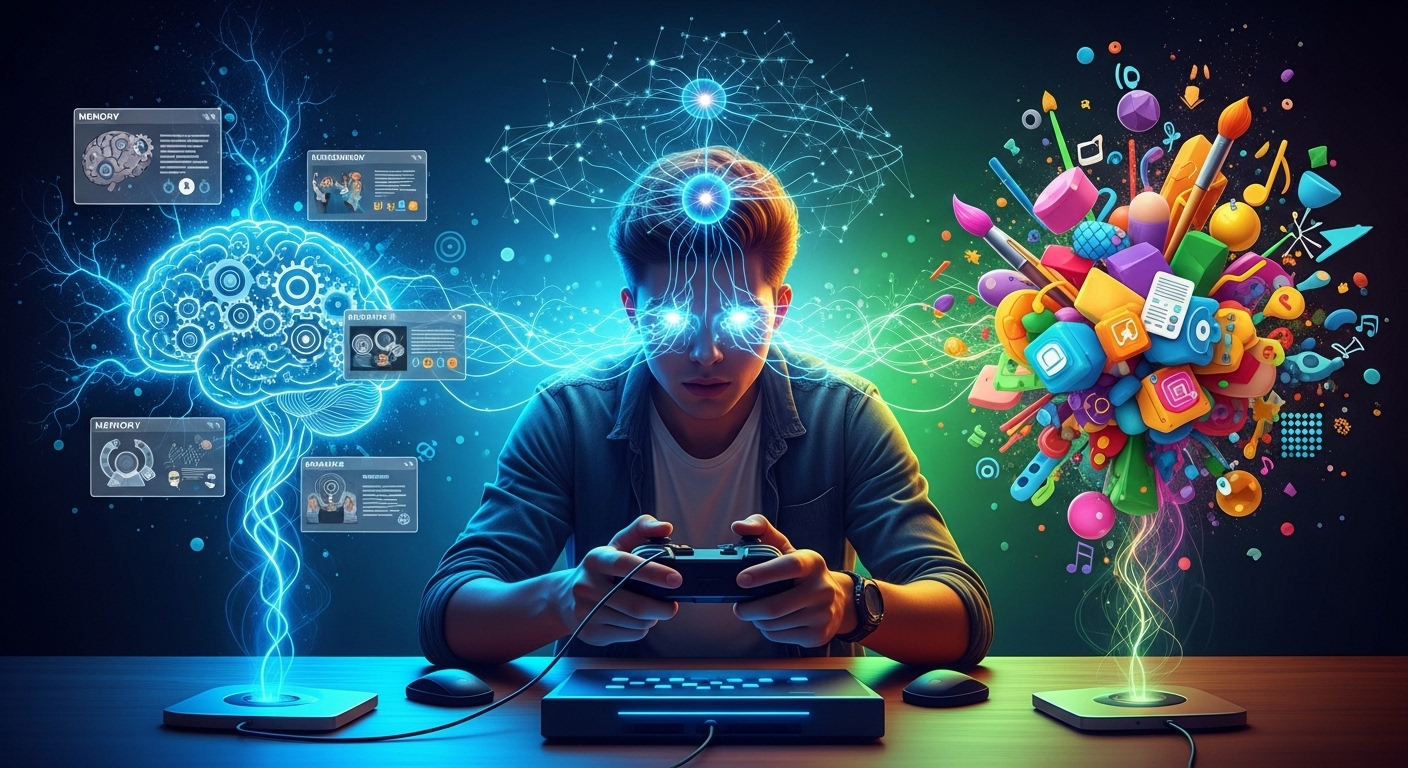
Many people don’t realize that gaming can significantly enhance memory. Strategy-based or open-world games, for example, require players to remember maps, item locations, quest details, and character abilities. This constant recall and pattern recognition strengthen both short-term and long-term memory. Cognitive researchers have discovered that gamers who play regularly show higher hippocampal activity—a part of the brain responsible for memory and learning—compared to those who don’t play.
4. Creative Thinking Through Exploration
Games often transport players into imaginative universes where creativity becomes a survival tool. Titles like Minecraft, The Legend of Zelda, and No Man’s Sky encourage experimentation, exploration, and problem-solving through creativity. Players learn to build, design, and innovate within the rules of these worlds, which naturally develops their creative thinking. This mental flexibility helps them generate new ideas and approach challenges differently in real life, from academic projects to artistic pursuits.
5. The Power of Problem-Solving in Play
Gaming trains the brain to think critically under pressure. Whether deciphering puzzles, navigating mazes, or defeating complex bosses, players continuously engage their analytical and logical reasoning skills. Every level presents new problems to solve and rewards innovative thinking. Over time, this process enhances a gamer’s ability to break down real-life problems into smaller, manageable parts—an essential skill for success in school, work, and life.
6. Emotional Resilience and Mental Stamina
Another hidden benefit of gaming is the development of emotional resilience. Losing in a game or failing a level teaches persistence and patience. Gamers learn to handle frustration, adapt strategies, and try again with determination. This process builds mental toughness, emotional control, and a positive mindset toward failure. In many ways, gaming mirrors life itself—progress comes through trial, error, and growth.
7. Teamwork and Social Intelligence in Multiplayer Worlds
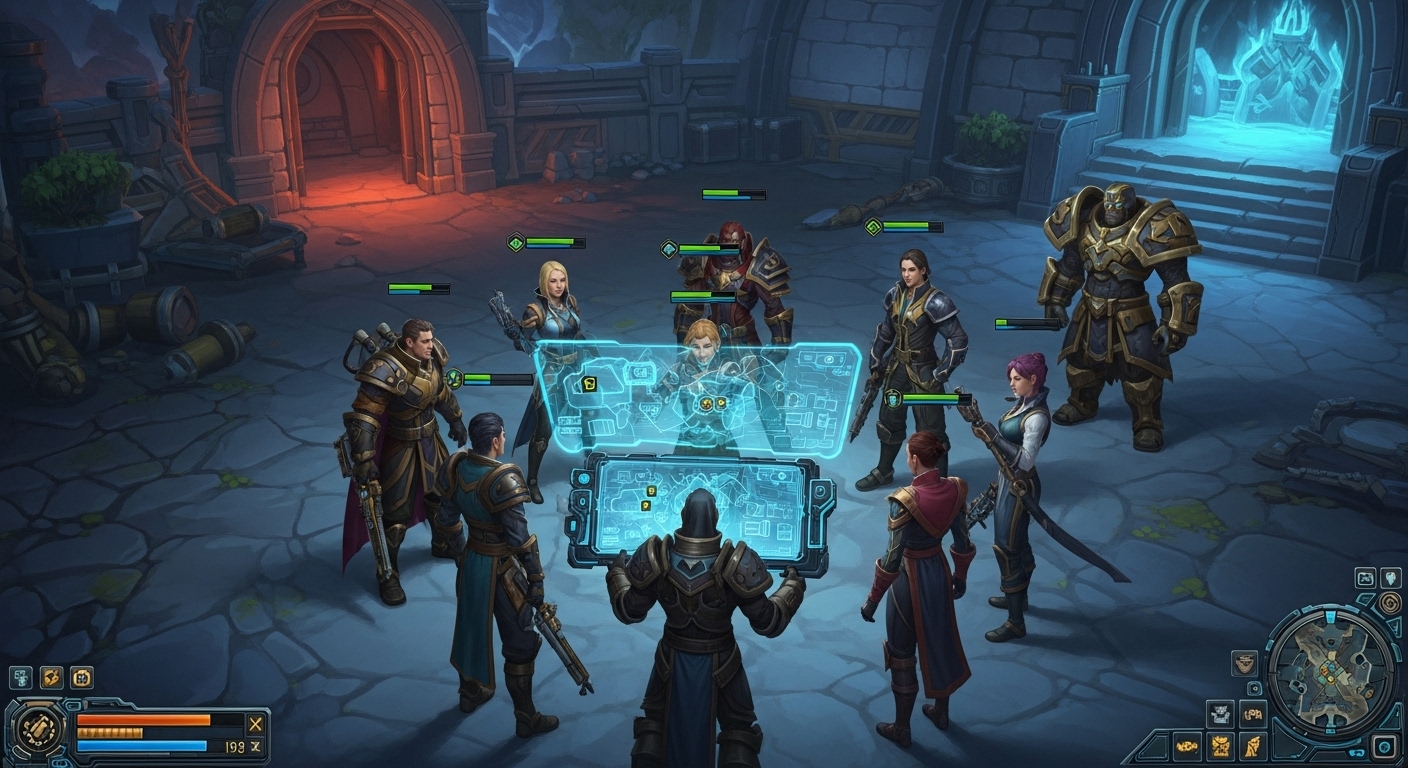
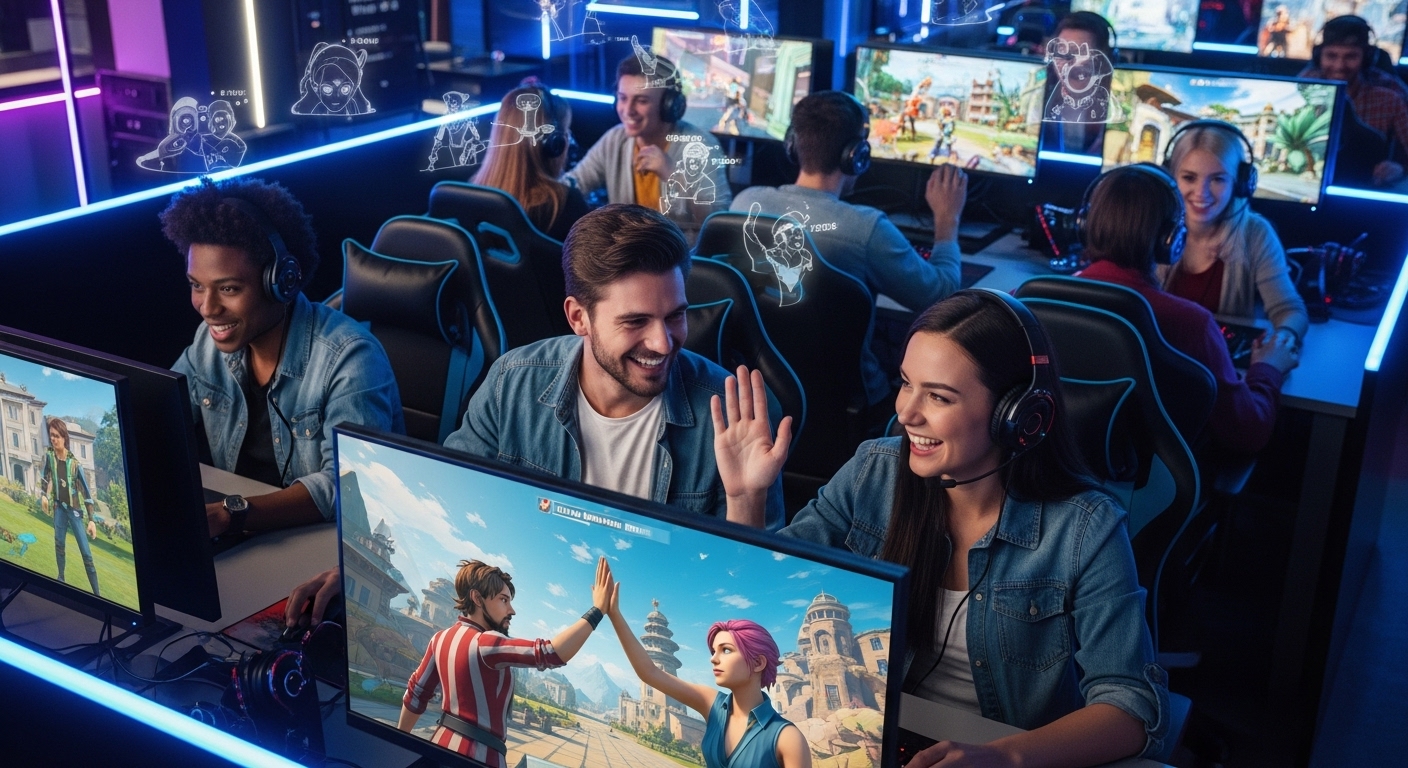
Contrary to the stereotype of gamers being isolated, online multiplayer games encourage teamwork and communication. In games like Fortnite, Valorant, or Overwatch, players must collaborate, share information, and coordinate strategies to succeed. This constant interaction improves social intelligence, empathy, and leadership skills. Gamers learn how to work with diverse personalities, manage conflicts, and lead teams effectively—skills that are equally valuable in workplaces and classrooms.
8. The Role of Reward Systems in Motivation
Games are built on structured reward systems—points, levels, and achievements that motivate continued play. Psychologically, these systems reinforce the brain’s dopamine response, which boosts motivation and goal-setting behavior. When players experience the satisfaction of progression, it mirrors real-world goal pursuit. This teaches gamers to value effort, persistence, and achievement, enhancing their ability to stay motivated in everyday life challenges.
9. Enhancing Cognitive Flexibility and Decision-Making
Gaming environments constantly shift, forcing players to make quick and adaptable choices. This improves cognitive flexibility—the brain’s ability to switch between tasks and adjust to new information. For example, strategy and role-playing games demand evaluating multiple outcomes before choosing the best one. Over time, players develop faster and more accurate decision-making skills, a quality that benefits careers, education, and even personal life management.
10. Stress Relief and Mental Health Benefits
Beyond focus and creativity, gaming offers a powerful form of stress relief. Immersing oneself in a virtual world allows players to escape daily worries and decompress. Games that provide achievement, exploration, or storytelling experiences can improve mood and reduce anxiety. For many people, gaming acts as an emotional outlet—helping them relax, connect with friends, and reset mentally after a long day. Balanced gaming can contribute positively to emotional well-being and overall mental health.
11. Gaming as the Future of Cognitive Training
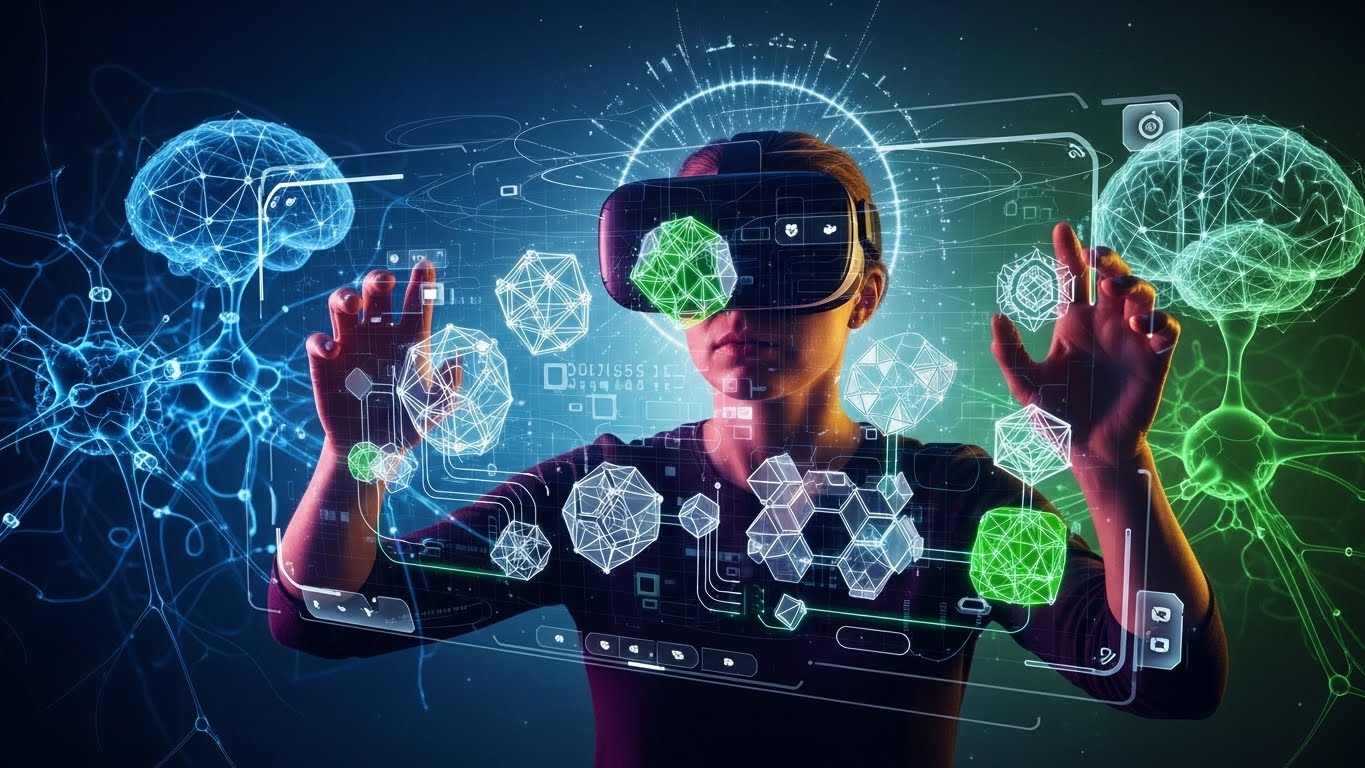
As technology advances, gaming is being recognized as a legitimate tool for cognitive enhancement. Brain-training games are being used in educational and medical fields to help improve attention, memory, and problem-solving in children and adults alike. The future may see games designed specifically for boosting creativity and focus in professional environments. With virtual reality and AI-based gaming on the rise, play is no longer just recreation—it’s a gateway to smarter, sharper minds.
Conclusion
The hidden benefits of gaming extend far beyond entertainment. From improving focus and memory to fueling creativity and emotional resilience, gaming has proven to be a modern-day mental gym. When approached with balance and mindfulness, video games can train the brain in ways that textbooks and lectures cannot. So, the next time someone dismisses gaming as a waste of time, remember: every quest, mission, and puzzle might just be shaping a more focused, creative, and intelligent version of you.