The Evolution of Online Gaming: From Flash Classics to Modern HTML5 Hits
By admin •
Nov 07, 2025 • 7885 views
🕹️ 1. A Nostalgic Beginning: The Age of Flash Games
Back in the early 2000s, Flash games ruled the internet. Websites like Miniclip, Armor Games, and Newgrounds were virtual playgrounds for millions of players around the world. You didn’t need expensive hardware — just a browser and a bit of curiosity. From puzzle games to shooters, Flash made gaming accessible to everyone. Titles like Helicopter Game, Bubble Trouble, and Fancy Pants Adventure became cult favorites. It was a simpler time — one where fun mattered more than fancy graphics.
💻 2. How Flash Changed the Internet Forever
Before Flash, most web pages were static and text-heavy. Flash introduced animation, sound, and interactivity — elements that made websites come alive. For gamers, this meant playable experiences directly in the browser, no downloads needed. Flash was the foundation of casual gaming culture, inspiring millions of young players and developers. It wasn’t perfect — it had security issues and performance limits — but it gave the internet personality, color, and creativity that shaped modern gaming.
⚙️ 3. The Fall of Flash: The End of an Era
In December 2020, Adobe officially ended support for Flash, marking the end of a digital generation. For many, it was like losing a piece of childhood. But the truth is, Flash had reached its limit. It struggled with mobile compatibility and wasn’t secure enough for modern web standards. Browsers began dropping support, forcing developers to move on. However, rather than killing online gaming, Flash’s end paved the way for innovation — and that’s where HTML5 came in to save the day.
🌐 4. Enter HTML5: The New Gaming Standard
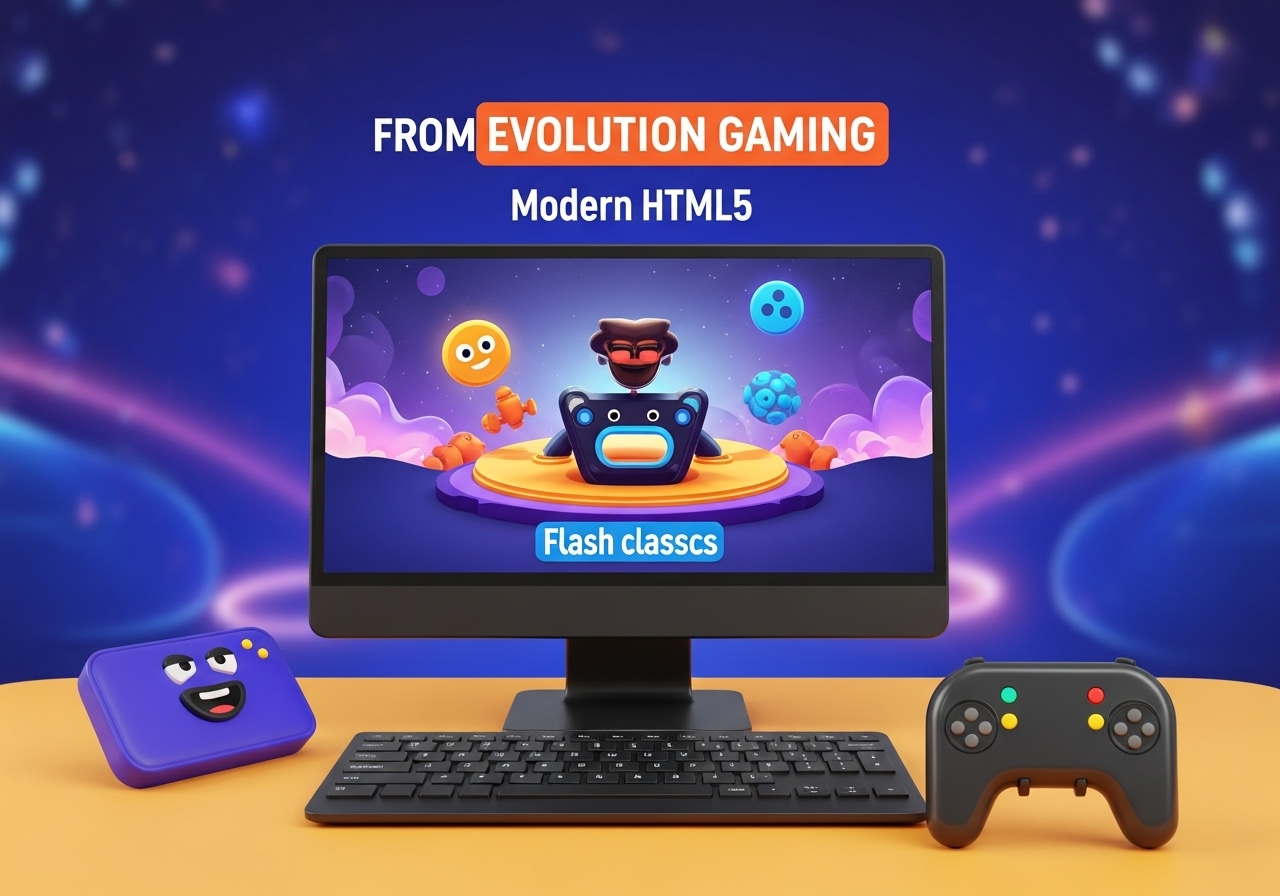
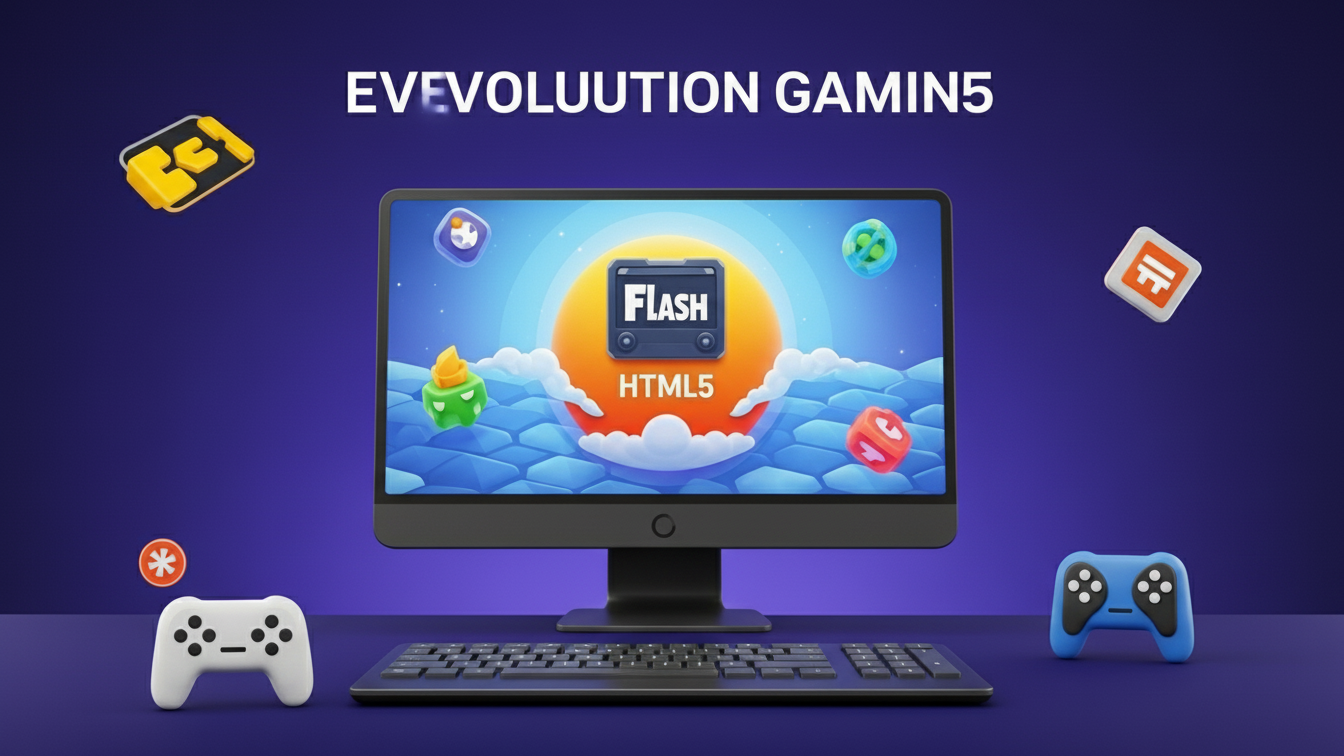
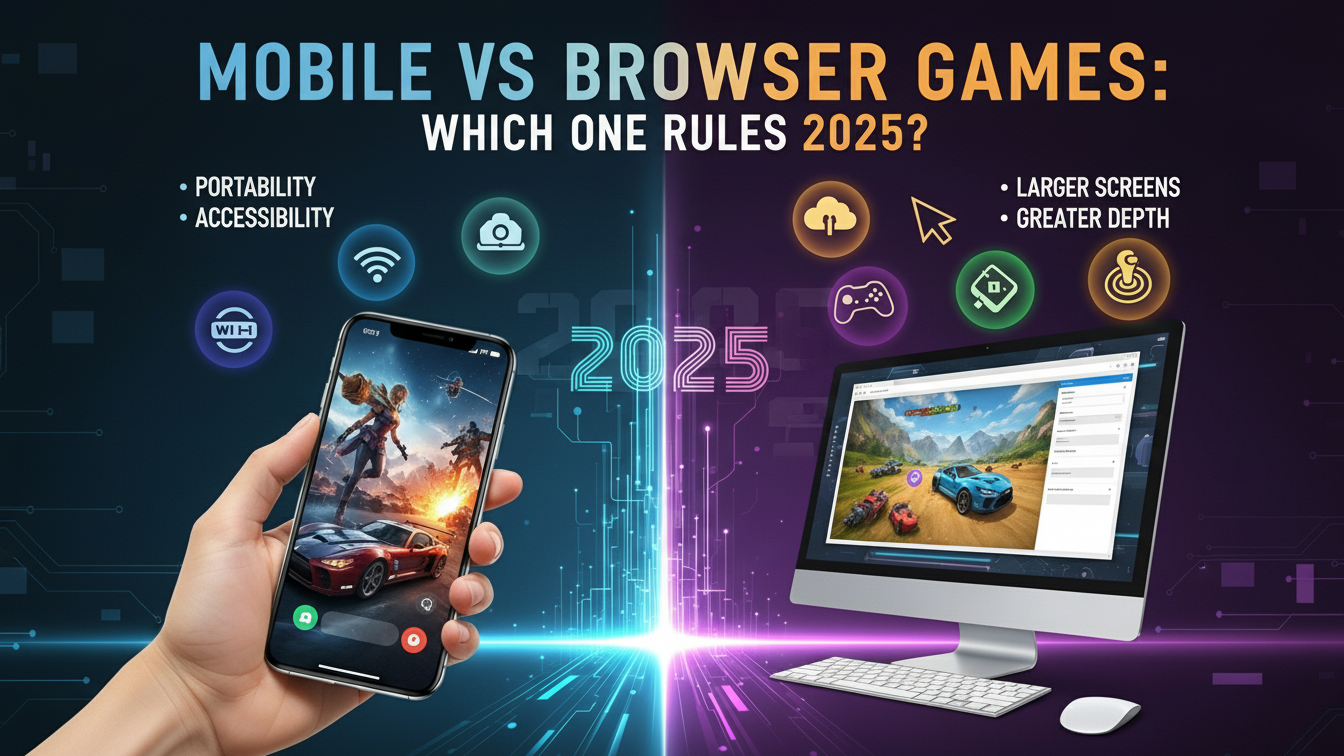
When HTML5 arrived, it revolutionized web gaming. Unlike Flash, HTML5 didn’t need plugins — it worked natively in all browsers and devices. That meant faster load times, smoother graphics, and better security. HTML5 also supported touch controls and responsive design, making it perfect for smartphones and tablets. Suddenly, online games weren’t limited to desktop users — they became a universal experience. HTML5 became the foundation for modern browser games, setting new standards for quality and accessibility.
📱 5. Mobile Gaming: The Game-Changer
The rise of smartphones changed everything. With HTML5, developers could easily build games that ran seamlessly on both mobile and desktop. This shift gave birth to a new era of cross-platform gaming. Players could start a game on their laptop and continue it on their phone — no downloads, no installs. Titles like Slither.io, 2048, and Agar.io became viral sensations because of this freedom. Mobile-friendly, quick to load, and incredibly addictive — that’s the new formula for online gaming success.
🎨 6. Graphics Evolution: From 2D Simplicity to Stunning Visuals
Flash games were charming in their simplicity, but HTML5 brought a level of polish that felt next-gen. With support for WebGL and Canvas API, HTML5 allowed developers to create 3D environments, realistic physics, and cinematic effects — all within a browser. The gap between browser games and console games started to shrink. Titles like Friday Night Funkin’, Krunker.io, and Cut the Rope: Remastered showed how stunning visuals and smooth performance could coexist — for free and without downloads.
🧠 7. Smarter Gameplay and AI Integration
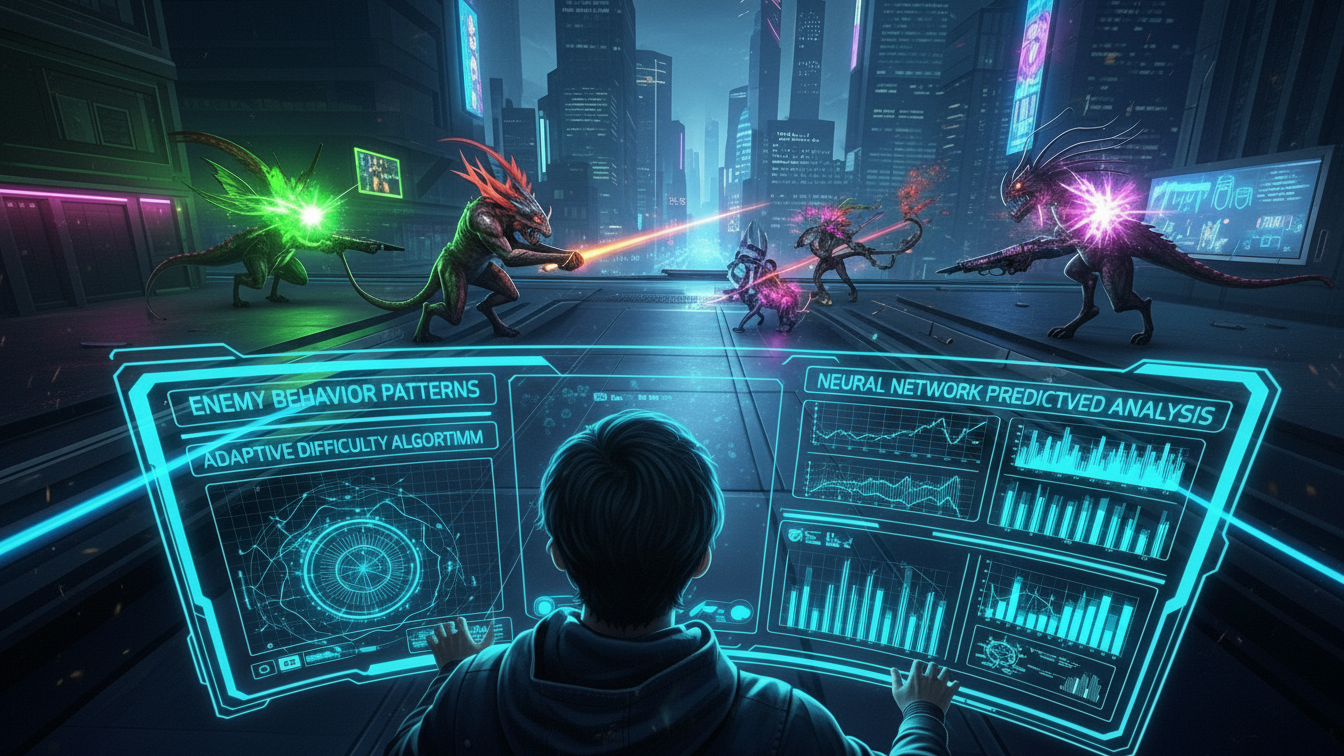
Modern HTML5 games don’t just look better — they play smarter. With powerful JavaScript engines and AI integration, developers now design games that adapt to your playstyle, adjust difficulty, and even learn from your behavior. Whether it’s puzzle-solving bots or intelligent opponents, HTML5 games have become more dynamic and engaging. This evolution keeps players hooked longer and ensures no two sessions ever feel exactly the same — a huge leap from the repetitive loops of early Flash titles.
🌍 8. Multiplayer and Global Communities
One of the biggest milestones in online gaming’s evolution is the rise of real-time multiplayer experiences. Flash games often relied on local play or turn-based mechanics, but HTML5’s faster performance and WebSocket technology opened the door to live, interactive gameplay. Now, you can race, battle, or collaborate with players across the globe instantly. Games like Krunker.io, Shell Shockers, and Skribbl.io show how browser games can rival traditional online titles in excitement and community engagement.
💾 9. Accessibility and Inclusivity: Gaming for Everyone
Flash made gaming accessible, but HTML5 made it inclusive. Modern web games are designed for all players, regardless of device or ability. With adjustable difficulty, simple controls, and no installation barriers, HTML5 ensures anyone — from kids to adults — can jump in instantly. It’s not just about gaming anymore; it’s about building global communities where fun is universal. Developers now prioritize accessibility settings like screen readers and color contrast options, proving that gaming truly is for everyone.
⚡ 10. Monetization Without Exploitation
Another major improvement over the Flash era is how developers earn revenue. Flash games often relied on intrusive ads or sponsorships, but modern HTML5 titles have evolved into fair monetization models. Players might watch short ads for rewards or make optional cosmetic purchases — but the core game remains free and fair. This balance keeps developers funded and players satisfied. It’s the reason free browser gaming has not only survived but thrived in an age of microtransactions.
🚀 11. The Future: Beyond HTML5
While HTML5 dominates today, the evolution isn’t over. New technologies like WebAssembly, cloud gaming, and VR in browsers are already pushing boundaries further. Imagine streaming console-quality games directly in your browser, no installs or downloads needed. The spirit of Flash — creativity, accessibility, and fun — still lives on, but powered by modern innovation. The next generation of online games will be faster, smarter, and more connected than ever before. And just like before, all you’ll need is a browser.
💬 Final Thoughts: From Pixels to Perfection
The journey from Flash to HTML5 is more than a technical upgrade — it’s a story of creativity and resilience. Each era of online gaming brought new possibilities, new communities, and new memories. The browser remains a magical space where innovation meets nostalgia. Today’s HTML5 games prove that free doesn’t mean simple — it means limitless. So whether you’re reliving your Flash childhood or exploring modern hits, one thing’s certain: online gaming has never been this powerful, this beautiful, or this accessible.