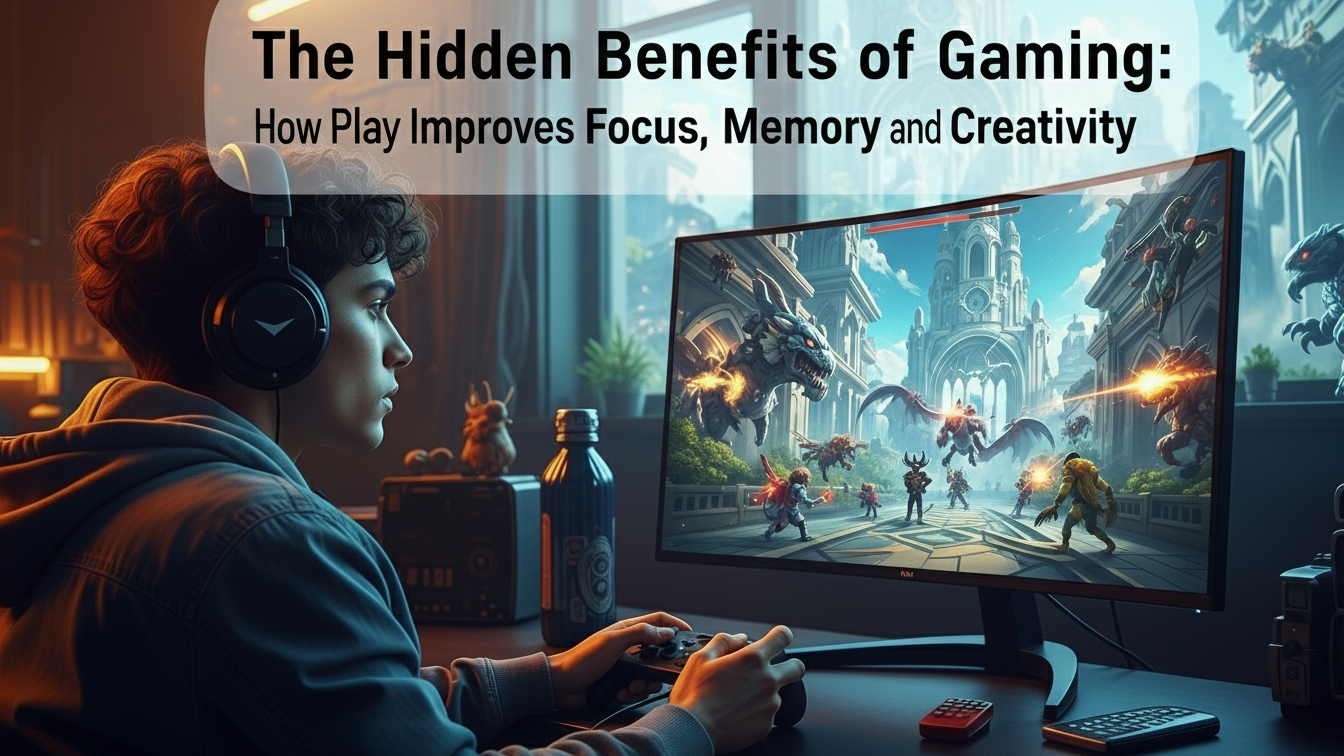
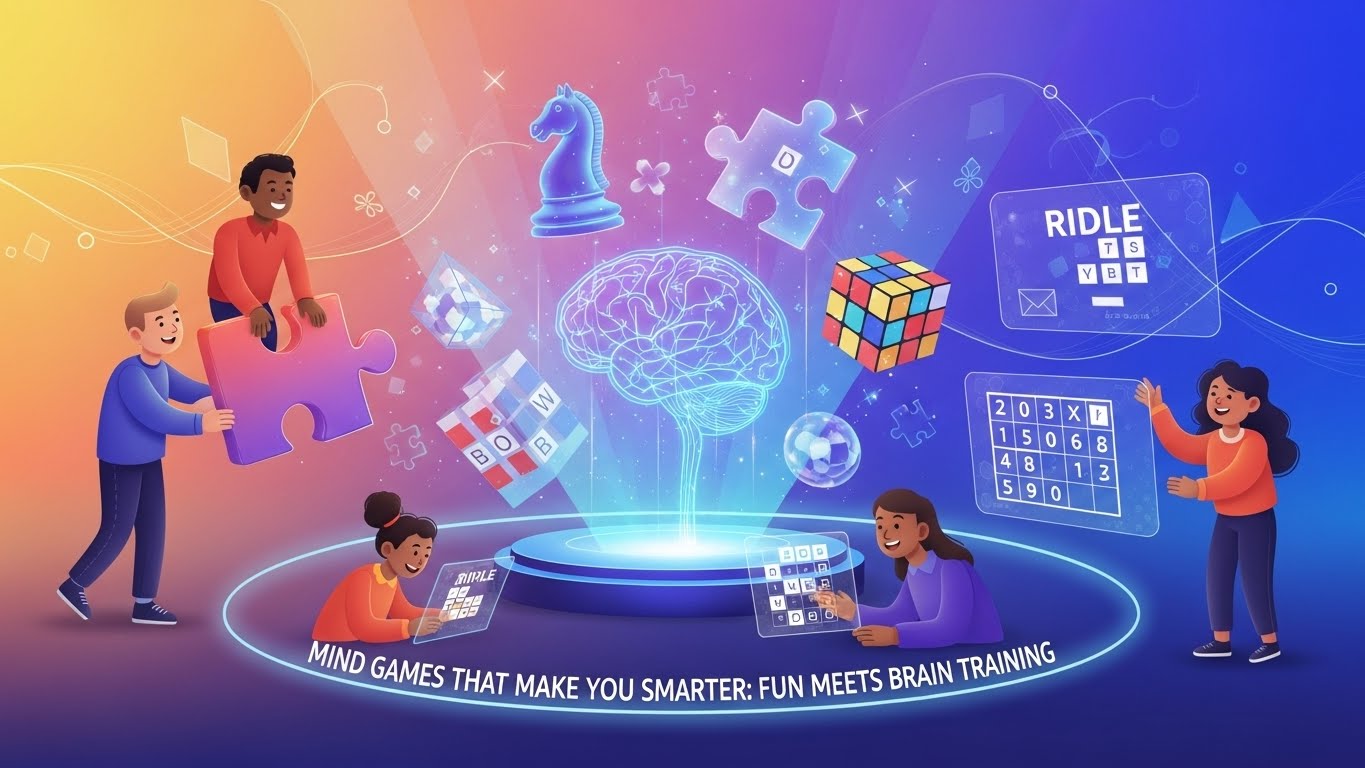
Online gaming has grown from a simple pastime into a worldwide phenomenon, captivating millions of players every day. While many people view games as purely recreational, research and player experiences increasingly show that free online games offer a variety of cognitive and skill-building benefits. From puzzle-solving and strategic planning to improving reflexes and hand-eye coordination, these games engage your brain in ways that can enhance everyday life. The best part is that you don’t need expensive consoles or paid subscriptions — free online games provide a convenient and accessible way to stimulate your mind and develop new skills.
Enhancing Problem-Solving Skills
One of the most obvious benefits of online games is their ability to strengthen problem-solving skills. Puzzle games, strategy simulations, and logic challenges require players to think critically and anticipate outcomes. Whether you are connecting colorful gems in a match-3 puzzle, maneuvering through a tricky maze, or planning resource management in a strategy game, you are constantly making decisions that require analysis and foresight. Each level or challenge encourages trial-and-error, experimentation, and adaptive thinking. Over time, this repeated mental exercise can improve your ability to approach problems systematically, a skill that is highly transferable to real-life situations.
Boosting Memory and Concentration
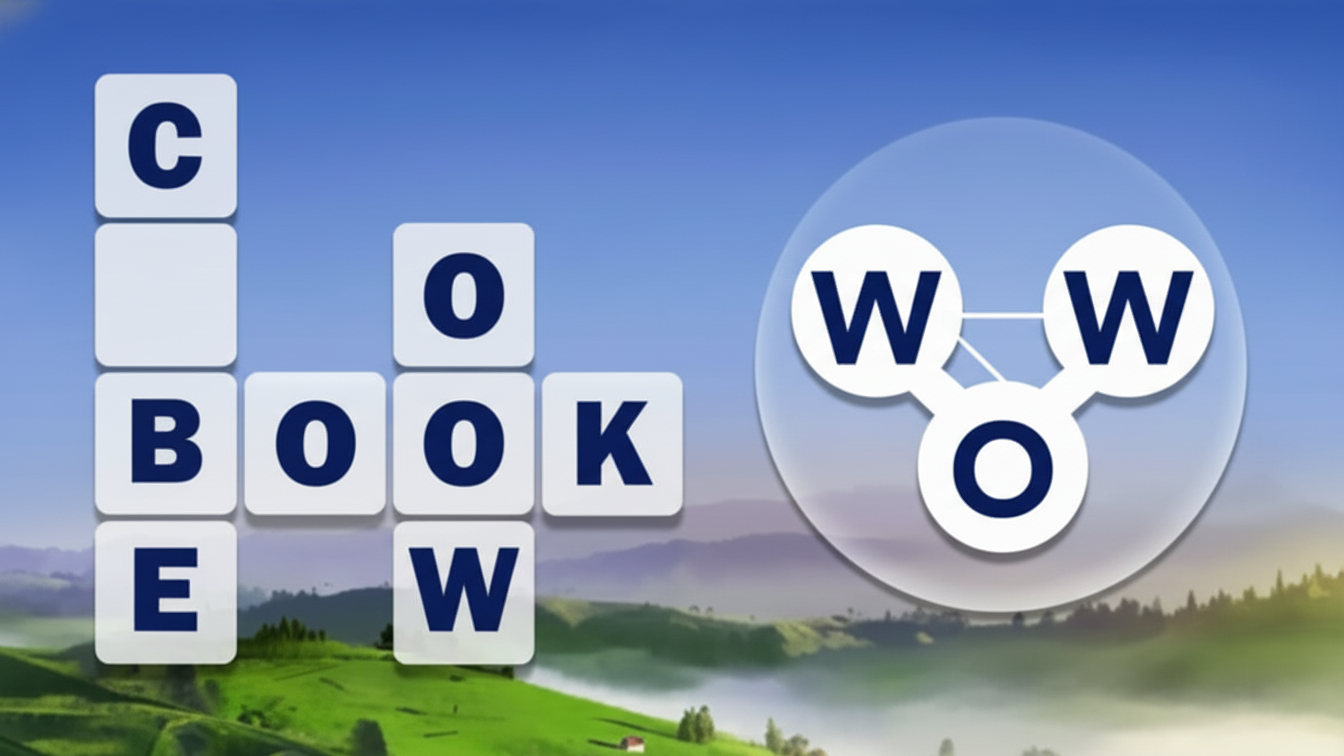
Many online games, particularly puzzle and memory-based games, actively engage your working memory. Players must remember patterns, sequences, or specific rules to succeed. For example, matching pairs in a memory game or recalling the position of objects in hidden object puzzles can train your brain to retain and retrieve information more efficiently. Additionally, online games often demand sustained attention and concentration. Focusing on moving targets, completing tasks under time limits, or tracking multiple elements on the screen enhances your mental endurance and attention span. This can translate into better focus in school, work, or other daily activities.
Sharpening Reflexes and Hand-Eye Coordination
Action games and fast-paced online challenges are particularly effective at improving reflexes and hand-eye coordination. When players navigate obstacles, dodge enemies, or respond to sudden events on-screen, their brains and hands work together in sync. Studies have shown that gamers often develop faster reaction times and more precise motor skills compared to non-gamers. Even casual players who enjoy racing, shooting, or platform games can benefit from improved spatial awareness and the ability to react quickly to dynamic situations. These skills are not only useful in gaming but can also aid in sports, driving, and other real-world activities that require agility and coordination.
Encouraging Strategic Thinking and Planning
Strategy games are another category of online games that provide significant mental benefits. These games require players to plan ahead, allocate resources wisely, and anticipate opponent moves. Whether it’s building a virtual city, managing an army, or outsmarting competitors in real-time multiplayer battles, strategic games teach valuable lessons in foresight and decision-making. Players learn to weigh risks and rewards, consider multiple scenarios, and adjust their tactics based on evolving situations. Over time, these experiences can strengthen logical thinking, patience, and problem-solving under pressure — all skills that are valuable in academics, careers, and everyday problem-solving.
Promoting Creativity and Imagination
Certain online games encourage creativity, allowing players to design, build, or customize virtual worlds. Games with sandbox elements, character creation, or level design offer opportunities to express artistic and imaginative ideas. Even casual puzzle games can foster creativity by challenging players to find unique solutions or combine different elements in novel ways. By engaging your creative thinking, these games help develop the ability to approach challenges from different angles, a skill that can be applied in innovation, writing, art, and other real-world creative pursuits.
Improving Social Skills and Teamwork
Multiplayer online games offer more than just individual mental challenges — they also provide a platform for social interaction. Cooperative games encourage communication, teamwork, and collaboration as players work together to achieve shared goals. Competitive games often require negotiation, strategy discussion, and adapting to teammates’ styles. Engaging with other players online can improve interpersonal skills, foster leadership abilities, and teach valuable lessons in sportsmanship. Even simple online board games or multiplayer puzzles provide opportunities for social learning and positive interaction, which are especially beneficial for children and teenagers.
Stress Relief and Mental Wellbeing
Playing free online games can also positively impact mental health. Engaging in fun, immersive gameplay provides an escape from daily stress, allowing the brain to relax while staying actively engaged. Casual games, like match-3 puzzles or relaxing farming simulations, offer low-pressure environments that can reduce anxiety and improve mood. Even more intense games can serve as a healthy outlet for competitive energy or frustration, teaching players to manage emotions and stay calm under pressure. A well-balanced gaming routine can therefore contribute to overall mental wellbeing and resilience.
Accessibility and Convenience for Brain Training
One of the greatest advantages of free online games is their accessibility. You can play virtually anywhere — on a desktop, laptop, or smartphone — without the need for expensive equipment. This convenience makes it easier to incorporate short gaming sessions into daily routines, effectively turning gaming into a form of regular mental exercise. With the variety of games available, you can challenge different aspects of your brain depending on your mood or interests. Whether you want to sharpen reflexes, boost memory, or test your logic, there’s a game suited for every goal.
Tips for Maximizing Cognitive Benefits
To fully reap the mental benefits of free online games, consider a few simple tips. First, choose a mix of game genres to stimulate different areas of your brain. Puzzle and strategy games improve logic and planning, action games enhance reflexes, and creative games boost imagination. Second, play mindfully — focus on the challenges and try to analyze your strategies rather than playing passively. Third, balance gaming with breaks to prevent fatigue and maintain productivity in other areas of life. Finally, incorporate multiplayer games occasionally to improve social interaction and collaborative skills.
Free online games are far more than just a source of entertainment. They provide a wide range of cognitive benefits, including enhanced problem-solving skills, better memory and concentration, improved reflexes, strategic thinking, creativity, and social interaction. By offering a convenient, accessible, and enjoyable platform, these games allow players to exercise their brains while having fun. Whether you’re a casual player seeking relaxation, a puzzle enthusiast, or a competitive gamer, free online games can sharpen your mind and improve skills that extend into real life. So the next time you log in for a quick game session, remember — you’re not just playing; you’re boosting your brain and honing valuable skills along the way.
Tags:Free Online GamesBrain Training GamesCognitive SkillsMemory ImprovementFocus and ConcentrationEducational GamingSkill-Building GamesPuzzle GamesOnline Strategy GamesMind Games 2025Play to Learn