How Casual Games Introduce Players to Complex Game Strategies
By admin •
Nov 16, 2025 • 56 views
Casual Games as the Friendly First Step into Strategic Thinking
Casual games often look simple on the surface, but that simplicity is exactly what makes them such powerful teachers of strategy. On our free online games website, many players arrive just looking to relax, click, and have fun for a few minutes. What they do not always realize is that these games gently introduce decision-making, planning, and cause-and-effect thinking from the very first level. Because there is no pressure to master complicated controls or long tutorials, players naturally focus on choices instead. This relaxed environment lowers fear of failure and allows strategy to grow organically. Over time, players begin thinking ahead, predicting outcomes, and adjusting their approach without even noticing they are learning deeper gameplay skills.
Simple Rules That Quietly Encourage Smarter Decisions
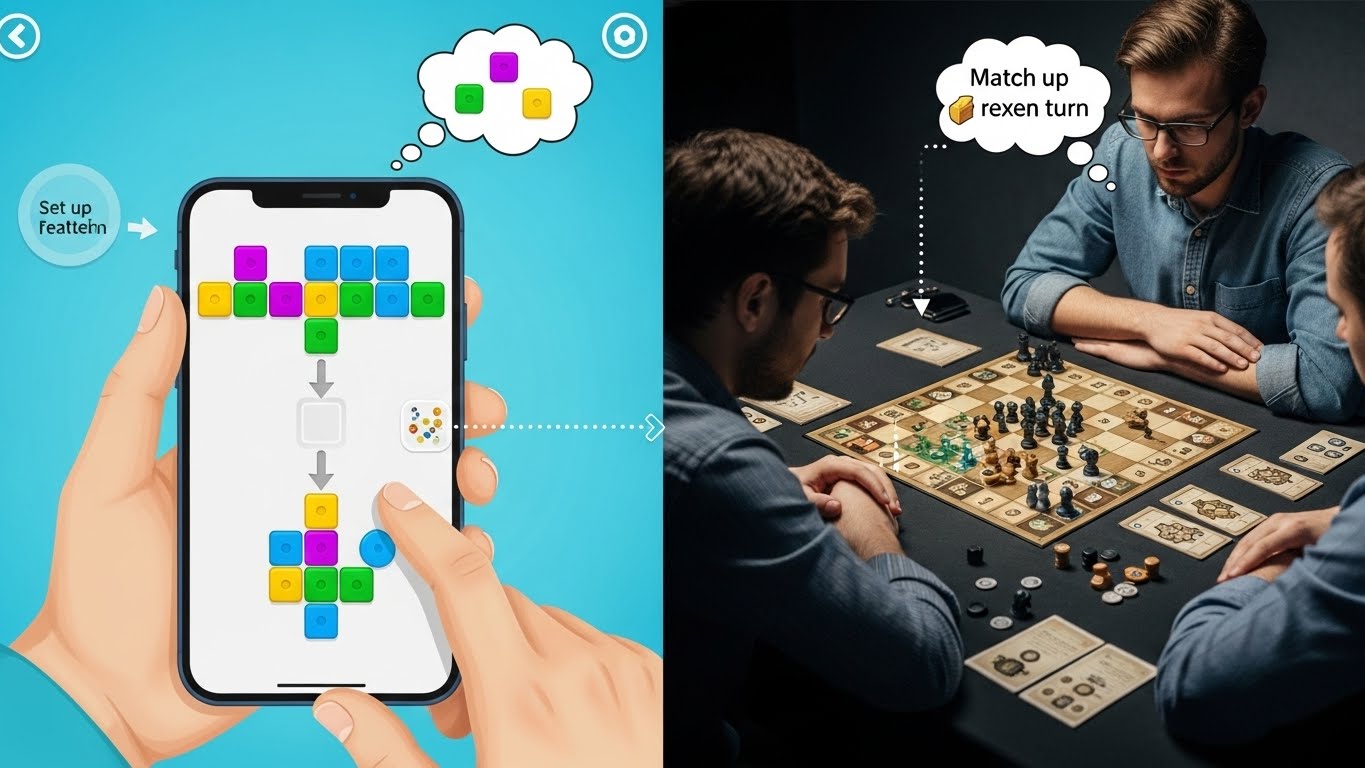
Casual games usually rely on a small set of easy-to-understand rules, but within those rules lies surprising depth. On our website, games might ask players to match items, avoid obstacles, or manage limited resources. These mechanics gently push players to make smarter decisions, such as choosing the right moment to act or saving a move for later. Because the rules are clear, players quickly understand the consequences of their choices. This clarity trains the brain to analyze situations calmly, making casual games an ideal introduction to strategic thinking without overwhelming players with complexity.
Learning Through Trial, Error, and Quick Feedback
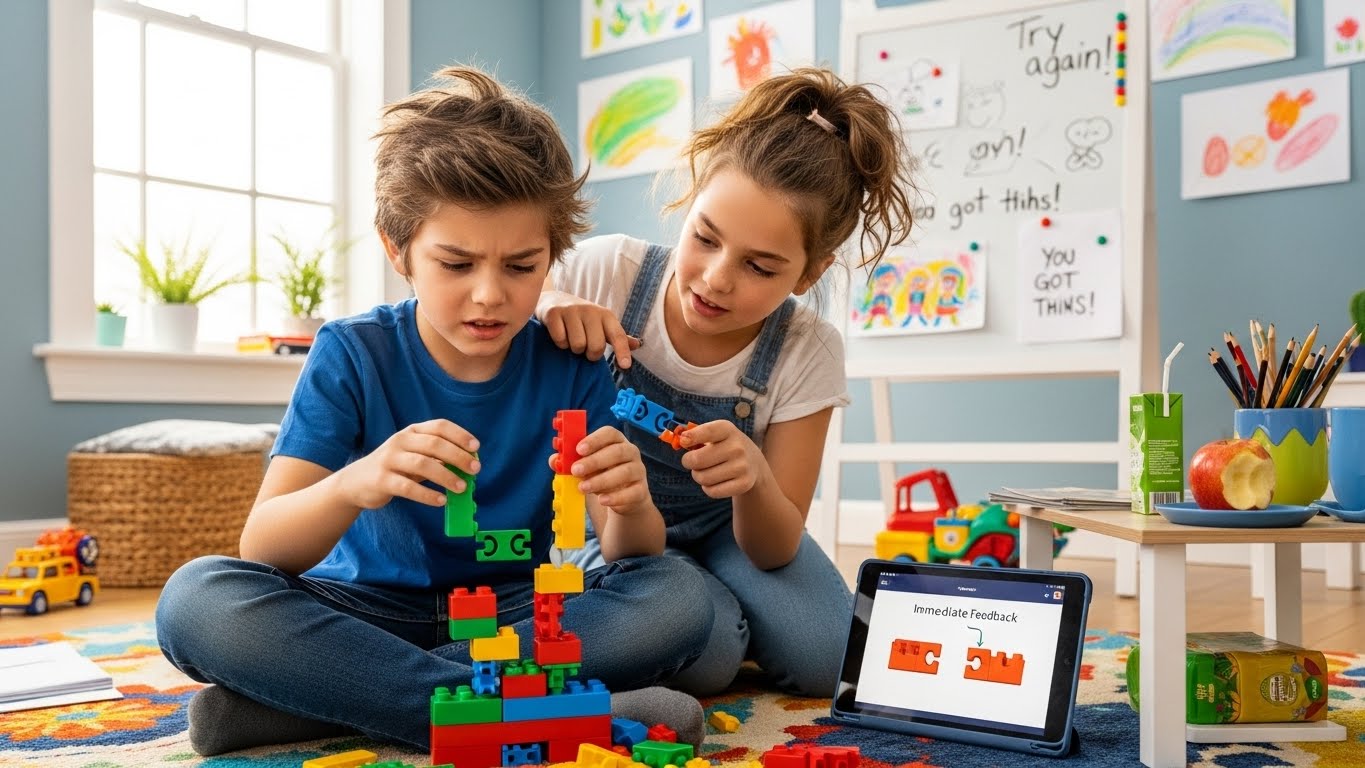
One of the strongest teaching tools in casual games is instant feedback. Players try something, see the result, and adjust immediately. On our free online games platform, this loop happens constantly, helping players refine their strategies through experience rather than instruction. Mistakes do not feel punishing, which encourages experimentation. Players learn what works and what does not by playing, not by reading guides. Over time, this trial-and-error process builds confidence and intuition, key foundations for understanding more complex strategies later on.
Gradual Difficulty Curves That Build Strategic Awareness
Casual games are excellent at increasing difficulty slowly. Early levels feel easy and forgiving, but later stages introduce subtle challenges that require more thought. On our website, players often notice that success starts depending on planning ahead rather than reacting randomly. This gradual curve allows strategic awareness to develop naturally. Players learn to anticipate problems, manage risks, and think multiple steps ahead. Because the change is slow, it feels rewarding rather than frustrating, making players more open to learning deeper mechanics.
How Limited Resources Teach Planning and Prioritization
Many casual games include limited moves, time, or energy, quietly teaching players how to plan and prioritize. On our free online games site, players learn to make each action count without being told explicitly. They start asking themselves questions like whether to use a power-up now or save it for later. This kind of thinking mirrors more advanced strategy games, but in a friendly and approachable format. Learning to manage resources is a core strategic skill, and casual games introduce it in a way that feels natural and enjoyable.
Pattern Recognition as the Gateway to Advanced Strategy
Pattern recognition is one of the earliest strategic skills casual games develop. Players begin noticing repeated behaviors, predictable obstacles, or scoring opportunities. On our website, these patterns help players improve performance without needing complex explanations. Once players recognize patterns, they start planning around them, turning instinct into strategy. This skill becomes especially valuable in more complex games, where understanding patterns is essential. Casual games act as a training ground, sharpening the mind to spot opportunities and threats quickly.
Encouraging Long-Term Thinking Without Pressure
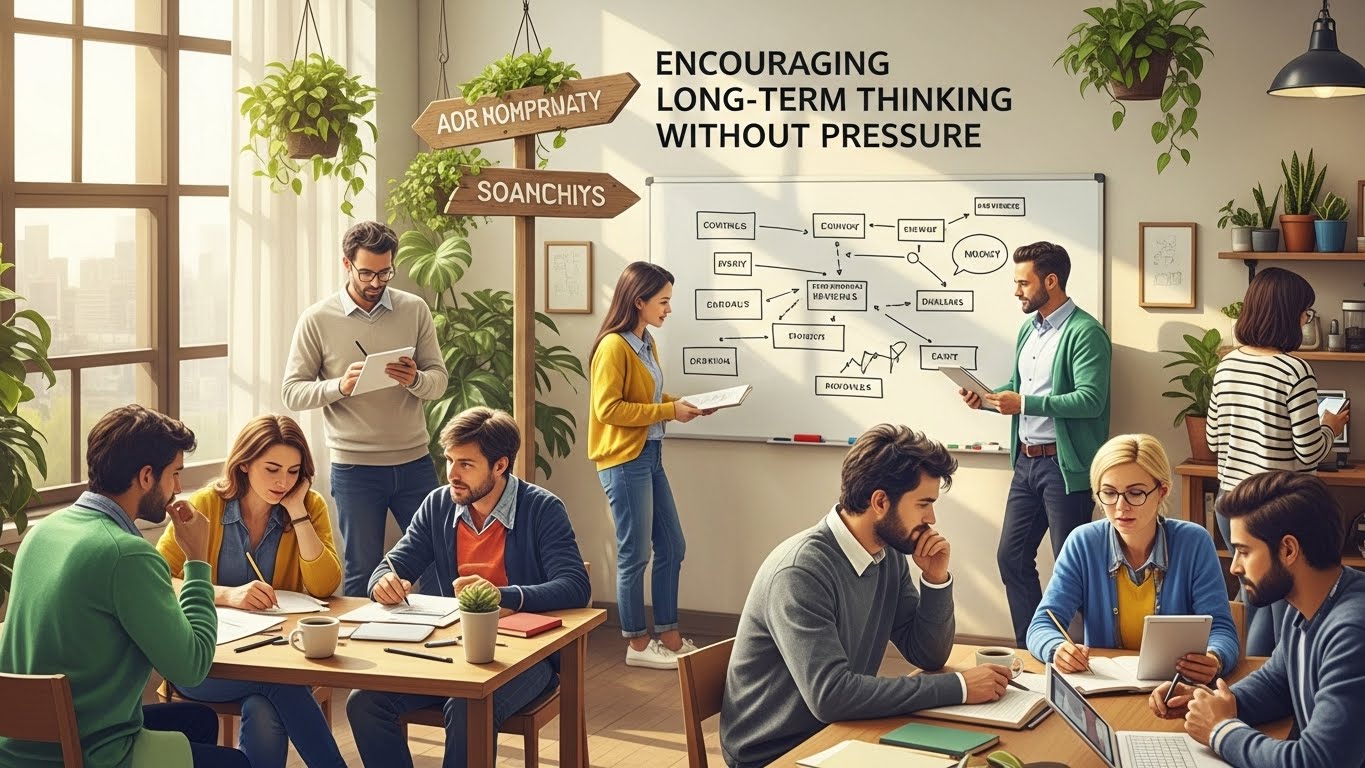
Casual games encourage long-term thinking by rewarding patience and smart planning rather than rushing. On our free online games platform, players often discover that slowing down leads to better results. They learn to think about future consequences, not just immediate rewards. Because the games remain forgiving, this lesson feels encouraging rather than stressful. Over time, players naturally adopt a mindset that values foresight and careful choices, preparing them for deeper strategic gameplay in other genres.
Adapting Strategies Based on Changing Conditions
Many casual games introduce small variations that force players to adapt. Levels might change layouts, objectives, or timing, requiring players to adjust their approach. On our website, this teaches flexibility, an essential strategic skill. Players learn that one strategy does not always fit every situation. Instead of memorizing solutions, they begin understanding systems. This ability to adapt is at the heart of complex gameplay, and casual games introduce it gently through variety rather than difficulty spikes.
Confidence Building Through Small Wins
Confidence plays a huge role in learning strategy. Casual games excel at delivering small, frequent wins that motivate players to keep improving. On our free online games site, each success reinforces the idea that thoughtful play leads to better outcomes. This confidence encourages players to try new approaches and experiment with strategies. As players feel more capable, they naturally become curious about deeper mechanics and more challenging games. Confidence becomes the bridge between casual fun and strategic mastery.
Social Features That Spark Competitive Thinking
Leaderboards, scores, and shared challenges introduce light competition without overwhelming players. On our website, seeing how others perform encourages players to think about improving their own strategies. This social comparison motivates optimization and experimentation. Players start analyzing what they could do differently to score higher or progress faster. Competitive thinking emerges naturally, teaching players to refine tactics while still enjoying a relaxed environment. These social elements prepare players for more competitive strategic games later on.
From Casual Play to Strategic Mindset
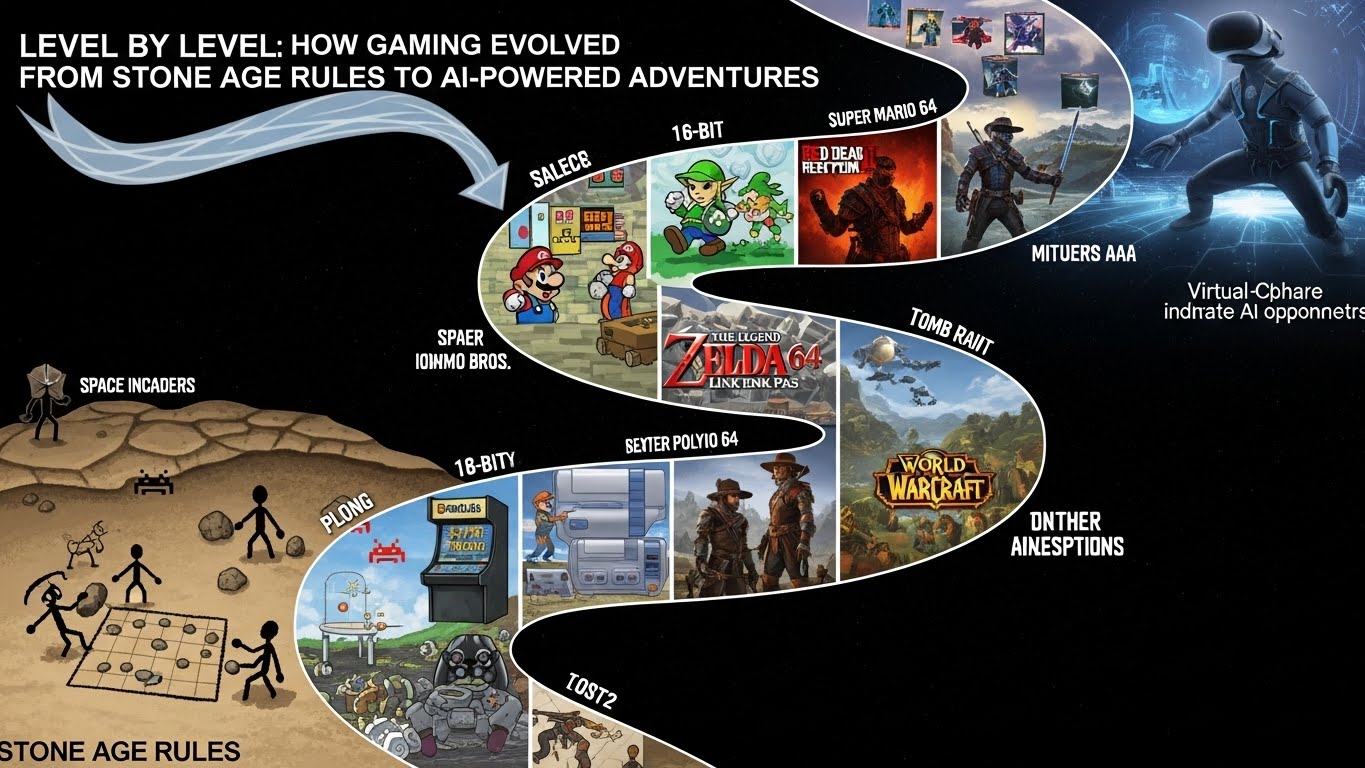
Over time, casual games reshape how players think about gameplay. What starts as simple fun slowly becomes thoughtful decision-making. On our free online games platform, players often realize they are planning ahead, analyzing outcomes, and adapting strategies instinctively. This shift happens without pressure or formal learning. Casual games quietly teach players how to think like strategists, building skills that transfer easily to more complex games. The transition feels natural because it grows from enjoyment rather than obligation.
Why Casual Games Are the Perfect Strategy Teachers
Casual games succeed as strategy teachers because they respect players’ time, curiosity, and comfort. On our website, they offer a safe space to learn, fail, and improve without stress. By combining simple mechanics with meaningful choices, casual games introduce strategic thinking in a way that feels effortless. Players do not feel like students; they feel like explorers discovering better ways to play. This balance of fun and learning is what makes casual games such powerful gateways into the world of complex game strategies.