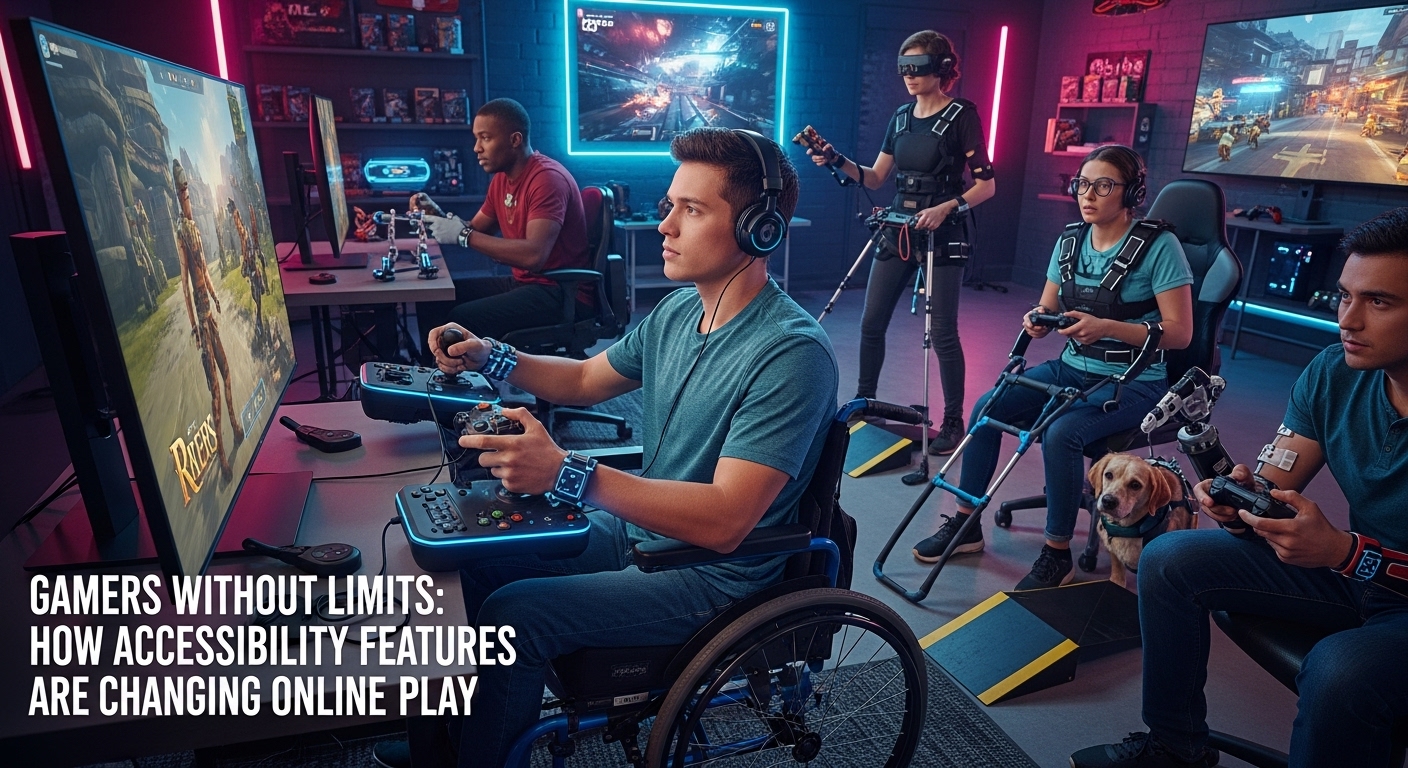
Gamers Without Limits: How Accessibility Features Are Changing Online Play
By admin •
Nov 07, 2025 • 7974 views
1. The New Era of Inclusive Gaming
Once upon a time, gaming was considered a one-size-fits-all experience. Players had to adapt to whatever controls or settings the game offered. But times have changed. Today, developers and designers are rethinking what it means to make games playable for everyone. Accessibility has become a cornerstone of modern game design, driven by empathy and innovation. From simple text size adjustments to advanced assistive technology, the industry is finally acknowledging that gaming should have no physical, sensory, or cognitive limits.
2. Why Accessibility Matters in Online Play
Gaming is more than entertainment—it’s connection, identity, and community. For players with disabilities, being part of this world is just as important as it is for anyone else. Accessibility in gaming ensures that everyone can participate equally, regardless of ability. It’s about empowerment and inclusion, not charity. When games are designed with accessibility in mind, they don’t just benefit players with disabilities—they make the experience better for everyone. Features like subtitles, colorblind modes, and simplified controls improve clarity and comfort for all types of players.
3. The Rise of Adaptive Technology
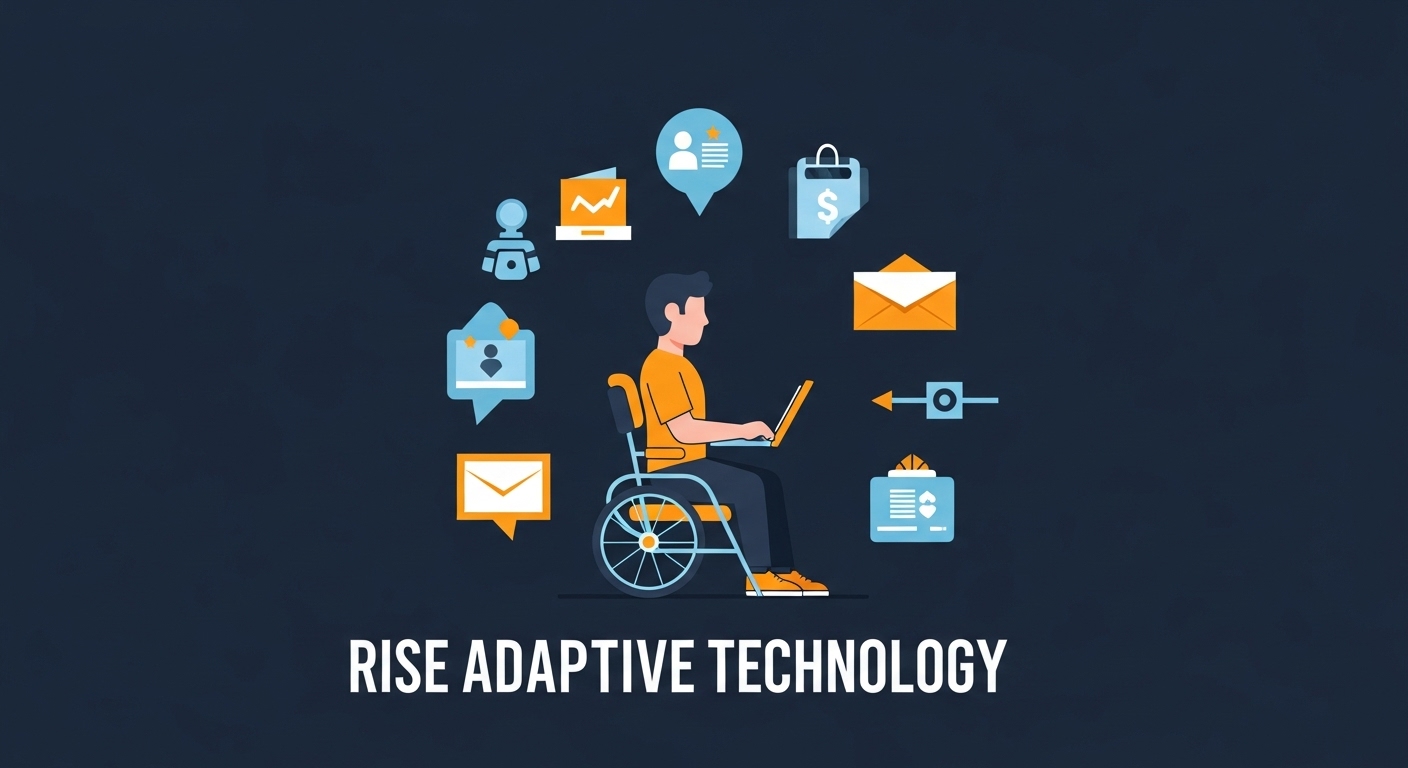
One of the most powerful breakthroughs in accessibility comes from adaptive technology. Devices like Microsoft’s Xbox Adaptive Controller and Logitech’s Adaptive Gaming Kit have transformed how players interact with games. These customizable controllers allow users to create setups that match their physical abilities—whether using one hand, a foot pedal, or voice commands. This flexibility gives players full control over how they experience the game, removing barriers that once seemed impossible to overcome. It’s not just technology—it’s liberation through innovation.
4. Customizable Controls: Freedom at Your Fingertips
Customizable controls have become a defining feature of accessible game design. Players can now remap buttons, adjust sensitivity, and even change the layout to fit their comfort. This level of personalization is crucial for players with mobility challenges or unique play styles. For example, someone who can’t use both hands can assign all essential functions to one side of the controller. Even beyond disability, customizable settings empower players to optimize gameplay based on their preferences, proving that accessibility and performance go hand in hand.
5. Visual and Audio Accessibility Features
Accessibility isn’t just about physical control—it’s also about how players perceive the game world. Developers are introducing visual aids like colorblind filters, adjustable contrasts, and high-visibility indicators to ensure that everyone can see critical details. Similarly, audio accessibility features like captions, sound cues, and descriptive narrations make games more immersive for players with hearing or vision impairments. These enhancements ensure that no one misses out on the story, the strategy, or the thrill of gameplay.
6. The Power of Subtitles and Closed Captions
Subtitles have long been part of gaming, but recent innovations have taken them to new heights. Modern games now feature adjustable subtitle sizes, customizable colors, and background opacity options. Closed captions go even further by describing sound effects, tone, and emotional cues—making storytelling more inclusive for players who are deaf or hard of hearing. These features don’t just add accessibility; they deepen the connection between the player and the game’s world, ensuring that narrative experiences remain universal and immersive.
7. Mental and Cognitive Accessibility
Accessibility in gaming isn’t limited to physical or sensory needs—it also includes cognitive and mental considerations. Some players struggle with focus, memory, or reaction speed due to conditions like ADHD, dyslexia, or anxiety. Game developers are addressing this by adding options such as simplified interfaces, adjustable pacing, or guided modes that reduce overwhelming stimuli. These thoughtful features make games more approachable, allowing every player to enjoy the experience at their own pace and comfort level.
8. Online Communities and Inclusive Esports
Accessibility has also opened the door to a new wave of inclusive online gaming communities. From grassroots movements to official esports tournaments, players with disabilities are claiming their place in the competitive arena. Organizations like AbleGamers and SpecialEffect are leading the charge, helping players access adaptive gear and connect with inclusive teams. Esports events now feature divisions or matches specifically designed for accessible play, celebrating skill and strategy over physical limitations. The result? A gaming scene that’s more diverse, representative, and inspiring than ever.
9. Developers Leading the Way
Some game studios have become champions of accessibility, setting industry standards for others to follow. Naughty Dog’s The Last of Us Part II received widespread praise for offering over 60 accessibility options, from screen readers to visual adjustments. Similarly, Forza Horizon 5 introduced sign language interpreters during cutscenes—an unprecedented move that set a new benchmark for inclusion. These innovations prove that accessibility is not just a checkbox—it’s a creative design philosophy that enriches the entire player experience.
10. The Role of AI and Future Technology
Artificial Intelligence (AI) is emerging as a powerful ally in the quest for universal gaming access. AI-driven tools can now interpret voice commands, translate real-time captions, and even assist with automated gameplay for users with limited mobility. Virtual Reality (VR) and Augmented Reality (AR) technologies are also adapting, with features that reduce motion sickness, simplify controls, and allow for alternative movement methods. The future of accessibility in gaming lies in intelligent systems that adapt dynamically to each player’s needs—creating truly personalized, barrier-free experiences.
11. A Future Without Limits
The ultimate goal of accessibility is simple: a gaming world where everyone belongs. As technology advances and awareness grows, barriers that once excluded players are disappearing. Inclusion in gaming is not just about providing tools—it’s about changing perspectives. It reminds us that skill, passion, and creativity are not defined by physical ability. The more inclusive gaming becomes, the richer its community grows. The future of online play isn’t about limits—it’s about possibilities. And in that future, every player, everywhere, has a place.
Conclusion:
The evolution of accessibility in online gaming is one of the most important and uplifting stories in the tech world. From adaptive controllers to customizable interfaces, the industry is proving that innovation and inclusion go hand in hand. Accessibility isn’t just about convenience—it’s about equality, creativity, and empowerment. As more developers embrace inclusive design, we move closer to a world where gaming is truly universal. After all, when everyone can play, everyone wins.
Tags:Gaming AccessibilityInclusive GamingAdaptive ControllersGame DesignOnline GamesAccessibility TechnologyEsports InclusionDisability in GamingCustom ControlsGame InnovationGaming for All